Lime’s Public Debut: A New Era of Micro-Mobility After Years of Turbulence
What happens when a company that once faced near-collapse finally opens its doors to the public market? How does a business that has weathered regulatory battles, pandemic-driven demand swings, and intense competition reinvent itself as a publicly traded entity? Why should investors, urban planners, and everyday commuters care about Lime’s transition from a privately held startup to a listed company? In this article, we delve into Lime’s journey, the strategic pivots that led to its initial public offering (IPO), and what this means for the future of shared electric vehicles. By examining the company’s history, financial health, and market positioning, we uncover the lessons that other startups can learn from Lime’s resilience.
1. The Road to IPO: A Story of Survival and Reinvention
Lime’s path to becoming a public company was anything but linear. Founded in 2017 amidst the micro-mobility boom, the company quickly expanded its fleet of electric scooters and bikes across major cities worldwide. However, the euphoria was short-lived. By 2019, reports of operational losses, safety concerns, and regulatory crackdowns threatened the company’s existence. Cities like San Francisco and Paris imposed strict permitting rules, while accidents and injuries raised public scrutiny. Despite these hurdles, Lime managed to secure funding, but the pressure intensified when the COVID-19 pandemic hit in 2020, causing ridership to plummet.
The company’s survival strategy involved aggressive cost-cutting, pivoting to private rides, and focusing on unit economics. In 2021, Lime merged with Uber’s Jump division, consolidating its position. Over the next few years, Lime doubled down on operational efficiency, fleet management software, and partnerships with local governments. By 2025, the company reported its first profitable year, driven by increased demand for sustainable transportation and a revamped business model that emphasized long-term contracts with cities. The IPO, which took place in July 2026, marked the culmination of these efforts, raising over $500 million and valuing the company at $2.3 billion.
This journey highlights a critical lesson: resilience and adaptability are key to long-term survival. Lime’s ability to listen to city regulators, invest in technology, and optimize its supply chain transformed it from a money-losing startup into a viable public entity. For entrepreneurs, this serves as a testament to the importance of agility in the face of external shocks.
2. The Financial Turnaround: How Lime Achieved Profitability
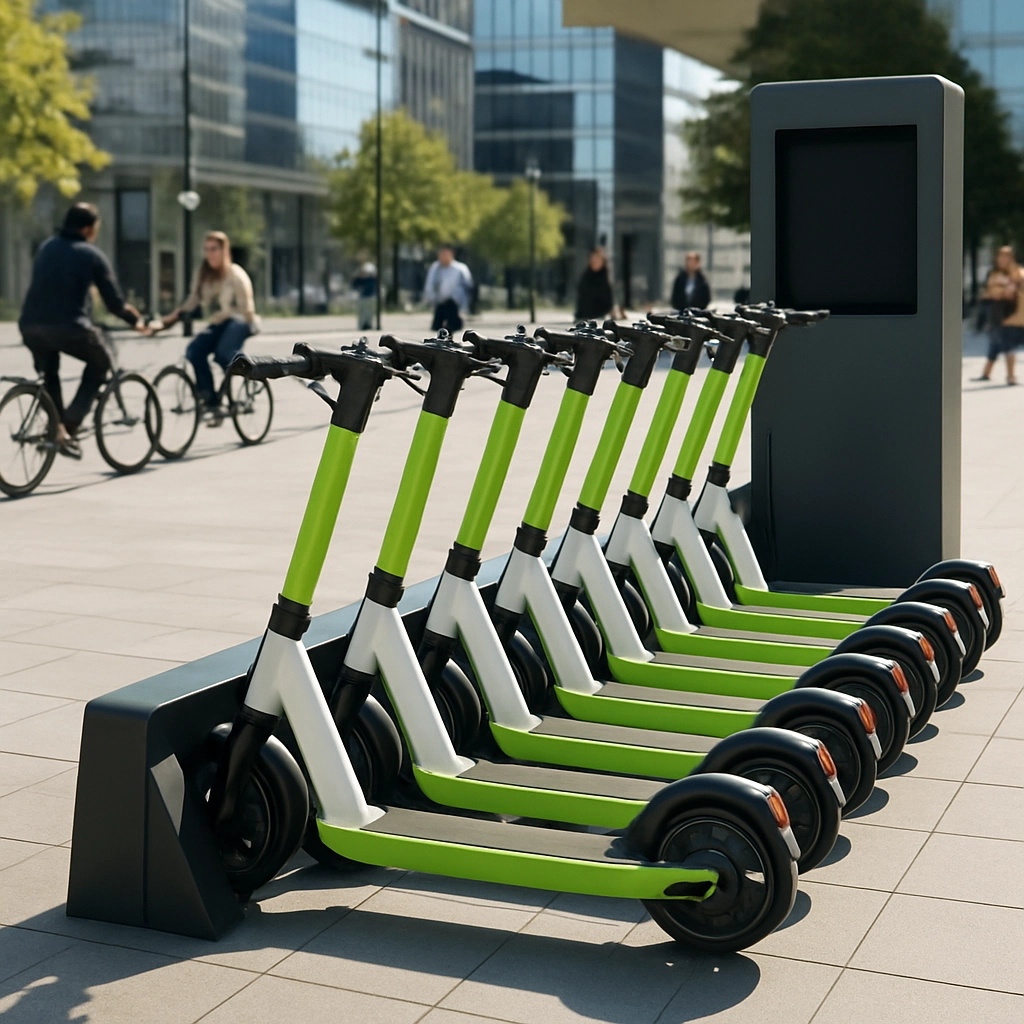
How did Lime go from near-bankruptcy to consistent profits? The answer lies in a multi-faceted approach that combined data-driven operations, strategic pricing, and cost discipline. Lime invested heavily in its in-house software platform, which optimizes battery swapping, vehicle maintenance, and rider demand prediction. By placing vehicles where they are needed most and reducing idle time, the company increased fleet utilization rates from 40% to 75% between 2022 and 2025. Furthermore, Lime renegotiated contracts with equipment suppliers and manufacturing partners, reducing the cost per vehicle by 30%.
Another key factor was the introduction of dynamic pricing. Lime’s algorithm adjusts fares based on time of day, weather, and local demand, maximizing revenue per ride. In peak hours, prices rise, while off-peak pricing attracts budget-conscious riders. This approach mirrors surge pricing used by ride-hailing services but is tailored to micro-mobility’s unique characteristics. Additionally, Lime introduced subscription plans and corporate partnerships, offering businesses custom mobility solutions for employees.
The financial results speak for themselves: in 2025, Lime reported $450 million in revenue, a 20% increase year-over-year, with a net profit margin of 8%. The company’s EBITDA turned positive for the first time in 2024, and the trend continued into 2025. This financial health made the IPO attractive to investors, who now view Lime as a stable player in the green transportation sector. The practical takeaway is that profitability in the sharing economy is achievable through technological innovation and operational excellence, not just growth at all costs.
3. Navigating Regulatory Landscapes: The Key to City Partnerships
One of Lime’s biggest challenges has been dealing with the patchwork of municipal regulations. Each city has unique rules regarding scooter speeds, parking zones, fleet sizes, and rider behavior. In its early years, Lime faced fines and even temporary bans in some cities due to non-compliance. However, the company changed its approach, shifting from a disruptor to a cooperative partner. Lime now works with city authorities to develop data-sharing agreements, allowing regulators to monitor ridership and safety metrics in real time. This transparency has earned Lime the trust of many municipal governments, leading to long-term operating permits.
For example, in London, Lime collaborated with Transport for London (TfL) to pilot designated parking bays using GPS-coded geofencing. This reduced sidewalk clutter and complaints from pedestrians. As a result, TfL renewed Lime’s license for an additional three years. Similarly, in San Francisco, Lime agreed to limit its fleet size during peak tourist seasons to alleviate congestion, a move that won praise from city officials. These partnerships have proven essential for Lime’s expansion, as they provide stability and reduce the risk of sudden regulatory changes.
This regulatory-savvy approach offers a blueprint for other sharing-economy companies: rather than fighting city hall, collaborate with it. By aligning business goals with municipal objectives, such as reducing traffic congestion and lowering carbon emissions, companies can build sustainable operations that benefit all stakeholders.

4. Competitive Landscape: Standing Out in a Crowded Market
What sets Lime apart from its rivals like Bird, Spin, and Tier? While Bird and Spin have struggled financially, with some declaring bankruptcy or scaling back operations, Lime has consolidated its market leadership. A major differentiator is Lime’s technological edge, particularly its AI-powered predictive maintenance system. This system monitors each vehicle’s battery health, tire wear, and motor performance, alerting technicians to issues before they cause downtime. This reduces repair costs and extends vehicle lifespan, giving Lime a competitive cost advantage.
Another differentiator is Lime’s international presence. While competitors focus on North America or Europe, Lime operates in over 50 countries, including emerging markets like Latin America and Asia-Pacific. This diversification spreads risk and allows Lime to capitalize on growing demand for micro-mobility in developing urban centers. For instance, in São Paulo, Lime’s scooters have become a popular last-mile option, connecting commuters to bus and metro stations. The company’s global scale also enables it to negotiate better terms with suppliers, further lowering costs.
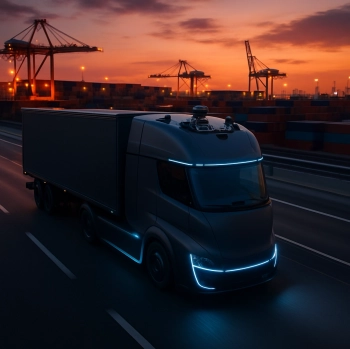
However, the competitive landscape is not without threats. Ride-hailing giants like Uber and Lyft have re-entered the micro-mobility space, and autonomous scooter technology could disrupt the industry. To stay ahead, Lime has invested in R&D for self-driving scooters that can return to charging stations without human intervention, a concept tested in 2025. If successful, this could dramatically reduce operational costs and create a new paradigm in shared mobility.
5. Impact on Sustainability and Urban Mobility
Lime’s public listing has broader implications for the environment and how cities plan for the future. With climate change accelerating, urban areas are seeking ways to reduce reliance on cars. Lime’s scooters and e-bikes offer a zero-emission alternative for short trips, which comprise a significant share of urban journeys. According to Lime’s sustainability report, its riders have collectively traveled over 500 million miles, saving an estimated 100,000 metric tons of CO2 compared to car trips. These figures resonate with environmentally conscious investors, who see Lime as a vehicle for positive change.
Moreover, Lime has committed to making its operations fully carbon-neutral by 2027, including its manufacturing and logistics supply chain. The company has started using electric vans for fleet maintenance and is exploring recycled materials for scooter production. These initiatives not only reduce environmental impact but also appeal to governments and consumers who prioritize sustainability. For example, in Paris, Lime’s partnership with the city’s climate action plan helped expand its service to suburban neighborhoods, integrating it with public transit networks.
The public market will now hold Lime accountable to these promises, as investors increasingly factor in ESG (environmental, social, and governance) criteria. This shift is prompting other mobility companies to follow suit, potentially leading to industry-wide improvements in sustainability practices. From a practical standpoint, riders can feel good about using Lime, knowing that their choice supports a cleaner urban future.
6. What Lies Ahead: Opportunities and Risks for Lime Post-IPO
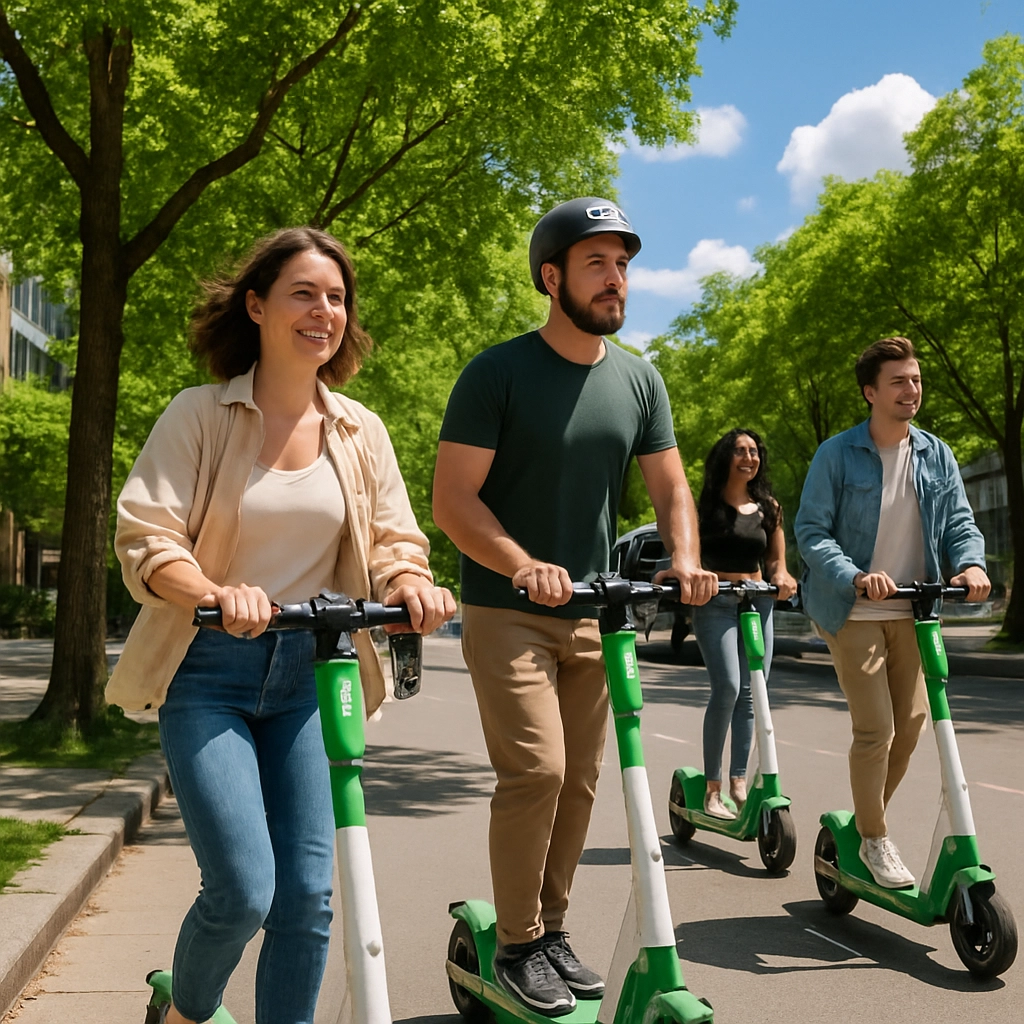
As a public company, Lime faces new opportunities and challenges. On the upside, the influx of capital will fund expansion into new cities and further R&D in autonomous operations. Lime has announced plans to double its fleet size over the next three years, focusing on under-served regions in Asia and Africa. Additionally, the company aims to deepen its integration with public transit systems, offering integrated ticketing and first-mile/last-mile solutions that make it easier for riders to combine scooters with buses and trains.
However, the scrutiny of public markets means that Lime must consistently meet quarterly earnings expectations, which can pressure long-term decision-making. The company may face activist investors pushing for cost cuts at the expense of rider experience. Regulatory changes, such as new safety standards or increased taxes, could also impact profitability. Moreover, as competition intensifies, price wars might erode margins. Lime will need to continue innovating and maintaining its operational efficiency to stay ahead.
Despite these risks, Lime’s future looks promising. The micro-mobility market is projected to grow at a compound annual growth rate of 12% through 2030, driven by urbanization and environmental awareness. Lime’s strong brand, global footprint, and technological leadership position it well to capture this growth. Investors and riders alike will be watching closely to see how Lime navigates the public market—whether it becomes a cautionary tale or a success story.
In conclusion, Lime’s transition to a public company is a testament to the power of perseverance and strategic adaptation. From the brink of failure to a profitable, publicly traded entity, Lime has rewritten its narrative. For other startups, it offers a roadmap for overcoming adversity and building a sustainable business. For the rest of us, it brings hope that shared micro-mobility can play a significant role in creating greener, more livable cities. As Lime embarks on this new chapter, the question remains: can it maintain its momentum and deliver on its promise? Only time will tell.