The Evolution of Humanoid Robots
Humanoid robots have come a long way from their earlier iterations, which were often seen as mere public relations gimmicks. The past few decades have witnessed significant advancements in robotics, particularly through the integration of artificial intelligence and electromechanical engineering. Initially, robots like Honda's ASIMO were celebrated for their ability to perform basic tasks like walking up stairs. Today, however, they are becoming increasingly lifelike and capable of complex actions.
Technological Advancements
The current landscape of humanoid robotics is defined by a race toward practical deployment in various sectors. Companies such as Figure AI are transitioning from laboratory tests to real-world applications, actively contributing to manufacturing processes. For instance, the Figure 02 model has successfully participated in production at BMW’s Spartanburg plant, demonstrating how advanced robots can handle intricate tasks such as managing sheet metal components.
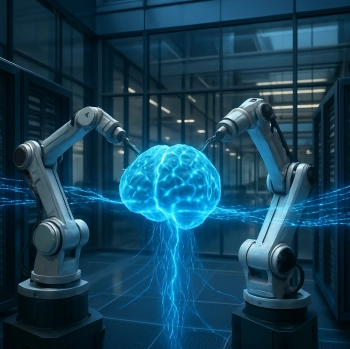
What distinguishes modern humanoids from their predecessors is not just their physical capabilities but also their cognitive functions. Earlier robots required extensive coding for each task; now, thanks to breakthroughs in AI, they can learn by observing humans. This means a robot can watch someone fold laundry or load a dishwasher and then replicate those actions independently.
Challenges Facing Humanoid Robots
Despite these advancements, several hurdles remain for humanoid robots before they can seamlessly integrate into daily life. First and foremost is the limitation of battery life; current technologies allow for only a few hours of operation before needing a recharge. Additionally, while bipedal locomotion may be manageable on flat surfaces like factory floors, navigating diverse environments—such as homes or crowded streets—poses significant challenges.
Future Prospects
Experts predict that within the next decade or two, we will see humanoid robots extending beyond industrial settings into hospitals, retail stores, and potentially our homes. This transition will mark a critical juncture: as robots become indistinguishable from humans in appearance and behavior, society must grapple with the implications of this reality.
Image Placeholder: ,
, The ongoing development includes innovations like artificial skin that mimics human warmth and flexibility. Such advances aim to create more relatable robots that can engage emotionally with users. Moreover, future designs will incorporate micro-actuators that enable robots to express nuanced emotions through facial expressions.
The Positive Impact of Humanoid Robots
Integrating lifelike humanoids into our lives promises numerous benefits. One major advantage is their ability to undertake "3D" jobs: Dull, Dirty, and Dangerous tasks that present risks to human workers. In industries such as mining or waste management where safety is paramount, humanoids could perform hazardous duties without endangering lives.
Image Placeholder: ,
, This technology could also address demographic challenges faced by aging populations in countries like Japan and South Korea. By providing companionship and assistance to the elderly, these robots could fundamentally alter healthcare models. They could monitor health conditions while offering social interaction—an essential aspect often lacking in traditional care settings.
The Economic Impact
A broader adoption of humanoid labor could lead to an era where goods are produced more efficiently and at lower costs than ever before. This shift might free humans from routine labor-intensive jobs and allow them to focus on creative pursuits or spend quality time with family.
Image Placeholder: ,
, The Dark Side of Robotics
However, with great power comes great responsibility. The potential negative impacts of integrating humanoid robots into society cannot be overlooked. One primary concern is the risk of deepening human isolation; if individuals find more comfort in robotic companions than real relationships, it could erode community bonds.
The Economy at Stake: The economic ramifications could also be severe; rapid automation may displace millions from their jobs if adequate safety nets aren’t established quickly enough. The immediate effects would likely exacerbate existing wealth gaps between tech companies profiting from these innovations and those whose livelihoods are threatened by them.Moral Considerations
A loss of authenticity poses another danger; if distinguishing between humans and machines becomes nearly impossible, trust may diminish across social interactions. Shared experiences that form the basis of human connections might lose value when reality itself can be artificially replicated.