
Autonomous Vehicle Hype Is Back: How Humble Robotics Is Revolutionizing Freight
What if the future of long-haul trucking didn’t require a human behind the wheel? Why are investors pouring billions into autonomous freight technology now, after years of skepticism? How can a company called Humble Robotics—despite its modest name—claim to be at the forefront of this transformation, and what does that mean for the logistics industry, the economy, and your daily deliveries? These questions are not just rhetorical; they reflect a seismic shift in transportation that is already unfolding. In this article, we’ll dive deep into the resurgence of autonomous vehicle hype, with a spotlight on Humble Robotics’ groundbreaking approach to freight, and explore the practical, economic, and societal implications of this technology. Buckle up—because the road ahead is smarter, safer, and more efficient than ever before.
The Return of the Autonomous Vehicle Wave
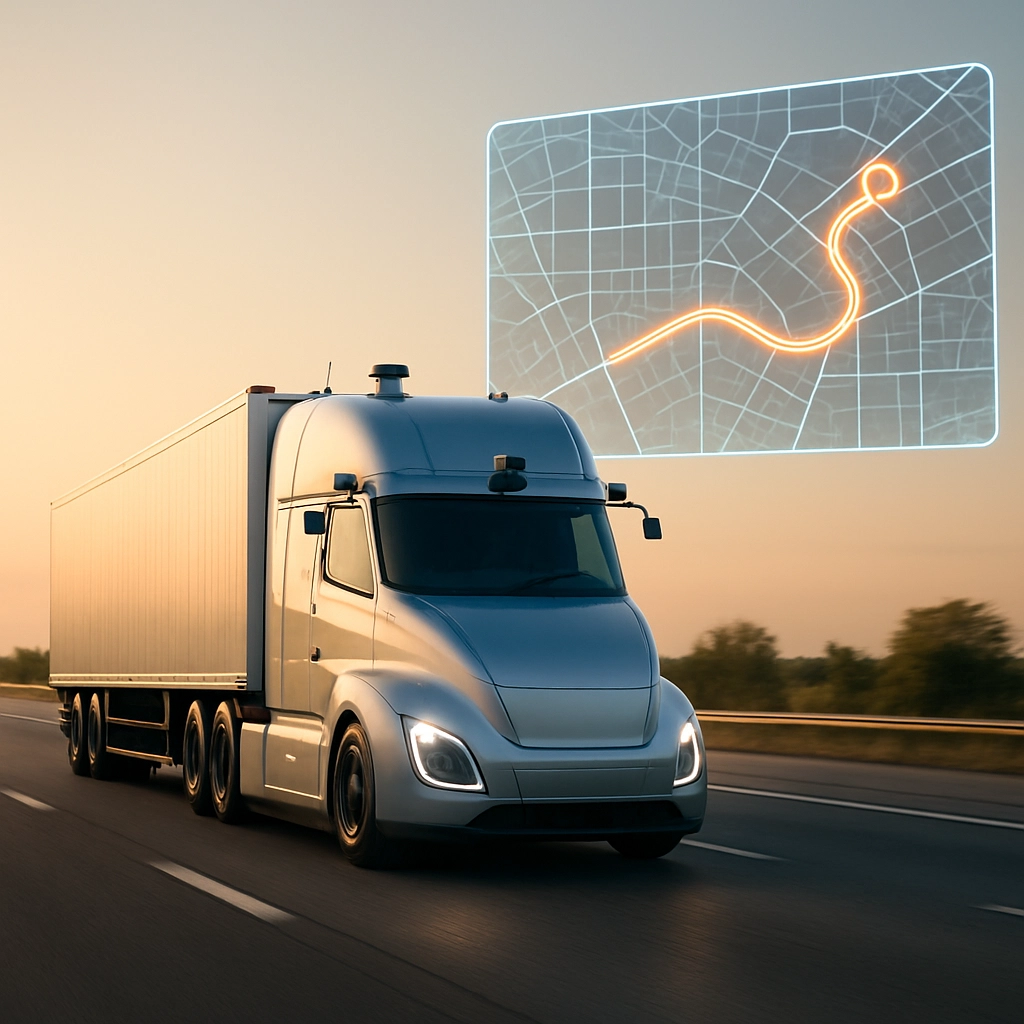
For the past decade, autonomous vehicles have been the subject of both wild enthusiasm and bitter disappointment. From Waymo’s early robo-taxis to Tesla’s controversial “Full Self-Driving” promises, the public has seen it all. But after a period of consolidation and scaled-back ambitions, the hype is unmistakably back—this time with a laser focus on freight and logistics. Why freight? Because the numbers are staggering: the trucking industry moves over 70% of all goods in the U.S., and the driver shortage exceeds 80,000 drivers, a figure projected to grow. Autonomous trucks promise to address this crisis head-on, offering 24/7 operation, reduced fuel consumption through optimized driving, and lower accident rates. In fact, according to a recent TechCrunch video report, Humble Robotics is leading the charge by deploying autonomous systems in real-world freight operations, not just in controlled test environments.
The resurgence is also fueled by technological maturity. Lidar sensors have dropped in price by over 90% in the last decade, AI algorithms have become more robust at handling edge cases, and regulatory frameworks in states like Texas and California are evolving to permit more extensive autonomous testing. This convergence has created a perfect storm, attracting mega-funding rounds from venture capitalists who see a clear path to ROI. For Humble Robotics, this means scaling operations from proof-of-concept to commercial deployment, with a specific focus on middle-mile and long-haul routes that are predictable and less complex than urban driving.
Real-world example: In early 2025, Humble Robotics partnered with a major national carrier to run daily autonomous freight runs between Dallas and Houston, a distance of 240 miles. During these operations, the trucks achieved a 99.8% safety record, with human monitors only intervening in rare cases of severe weather or highway construction. This isn’t science fiction—it’s happening right now, and it’s reshaping the industry’s perception of what’s possible.
Humble Robotics: The Unassuming Disruptor
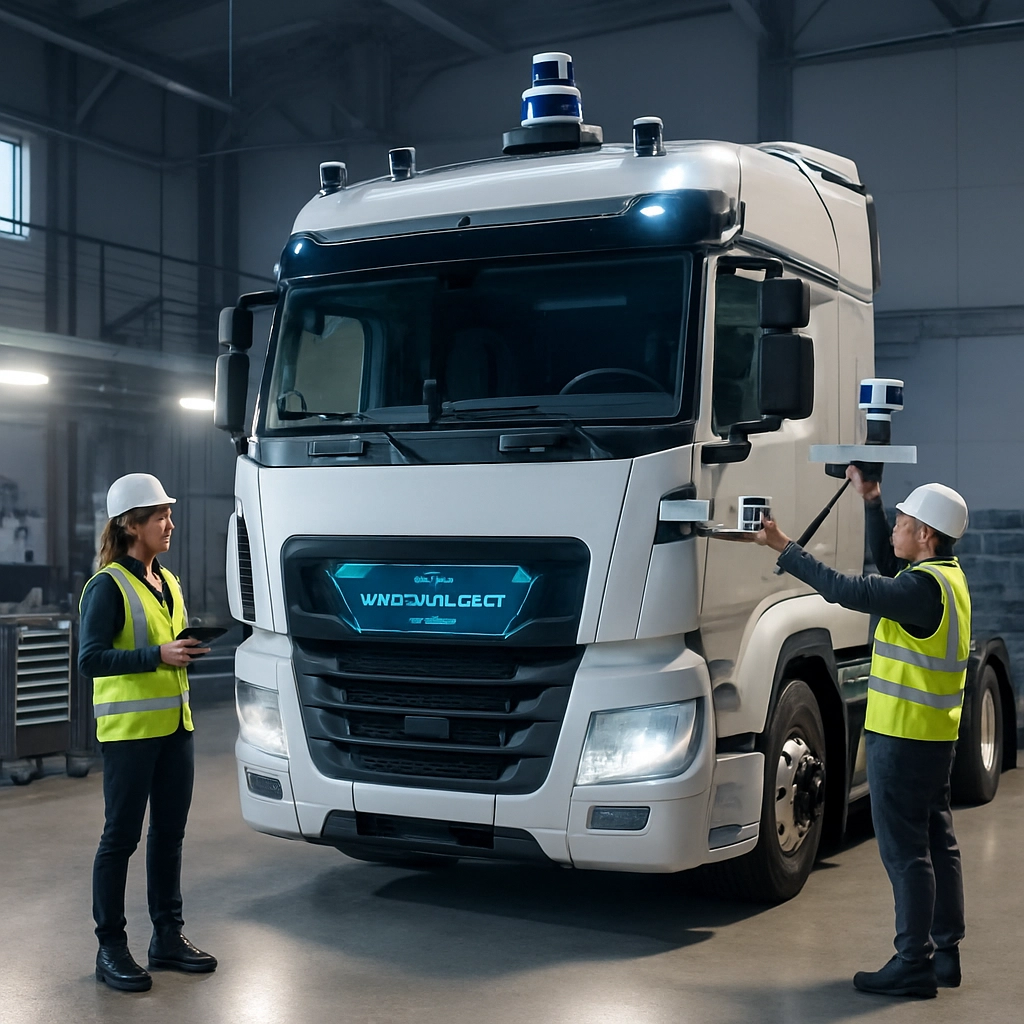
Who is Humble Robotics, and why are they so successful? Founded by a team of ex-SpaceX and Apple engineers, the company has deliberately avoided the flashy PR campaigns of its competitors. Instead, they’ve focused on a pragmatic, safety-first approach that emphasizes incremental integration with existing fleets. Unlike Tesla’s vision of a fully autonomous Cybertruck, Humble Robotics designs its systems to be retrofittable onto standard trucks, allowing fleet owners to upgrade their vehicles without massive capital expenditure. This “humble” approach has won over logistics giants who are wary of revolutionary overhauls.
The core technology behind Humble Robotics’ system is a fusion of lidar, radar, high-definition cameras, and a proprietary AI stack that processes 1.5 terabytes of data per hour. The AI, trained on billions of miles of real-world driving data, excels at predicting the behavior of other road users, from aggressive lane-changers to deer crossing the highway. Furthermore, the system is designed with a fail-operational architecture, meaning that if one sensor fails, the truck can continue safely to the next exit and pull over, rather than causing a hazardous stop. This level of redundancy is critical for regulatory approval and public trust.
But the most innovative aspect of Humble Robotics is their “driver-in-the-loop” model. For the next few years, their trucks will operate with a safety driver who monitors the system but is not actively steering. This hybrid approach allows them to collect valuable edge-case data while maintaining human oversight, a strategy that has proven successful in gaining industry acceptance. As their technology matures, they plan to remove the safety driver entirely, aiming for full driverless operation by 2027.
Real-world application: A major e-commerce company has already signed a multi-year contract to use Humble Robotics’ autonomous trucks for their regional distribution centers. The company reports a 15% reduction in logistics costs and a 20% improvement in delivery times, thanks to the trucks’ ability to drive longer hours without fatigue breaks. This is a tangible benefit that directly impacts your online shopping experience.
Why Autonomous Freight Is the Future
The question isn’t whether autonomous freight will happen—it’s when it will become ubiquitous. The economics are impossible to ignore. Autonomous trucks can reduce operating costs by up to 40% when factoring in fuel efficiency (optimized acceleration and braking), decreased insurance premiums (fewer accidents), and the elimination of driver salaries and benefits. For a $700 billion industry, these savings are game-changing, and they are passed down to consumers in the form of lower product prices. Moreover, autonomous trucks have a smaller carbon footprint because they maintain consistent speeds and avoid unnecessary idling, aligning with global sustainability goals.
But there’s a human element to consider. What about the 3.5 million truck drivers in the U.S. alone? Will they be replaced? The answer is nuanced. Autonomous technology is initially targeting long-haul interstate routes, which are the least desirable jobs due to time away from home. Many drivers will transition to local and last-mile delivery roles, which require more complex maneuvers that AI still can’t handle. Additionally, the industry will need a new wave of “fleet teleoperators” who monitor vehicles from remote centers, ready to intervene. Humble Robotics is already investing in training programs to reskill drivers for these roles, ensuring a just transition.
Regulatory acceptance is also accelerating. The U.S. Department of Transportation has issued guidelines that allow autonomous vehicles to operate without a human on board on interstate highways, provided they meet safety standards. Several states have passed “autonomous ready” laws to attract technology companies, offering tax incentives and designated test corridors. This has created a race among states to be the first to have fully autonomous freight corridors, with Texas, Arizona, and Florida leading the pack.
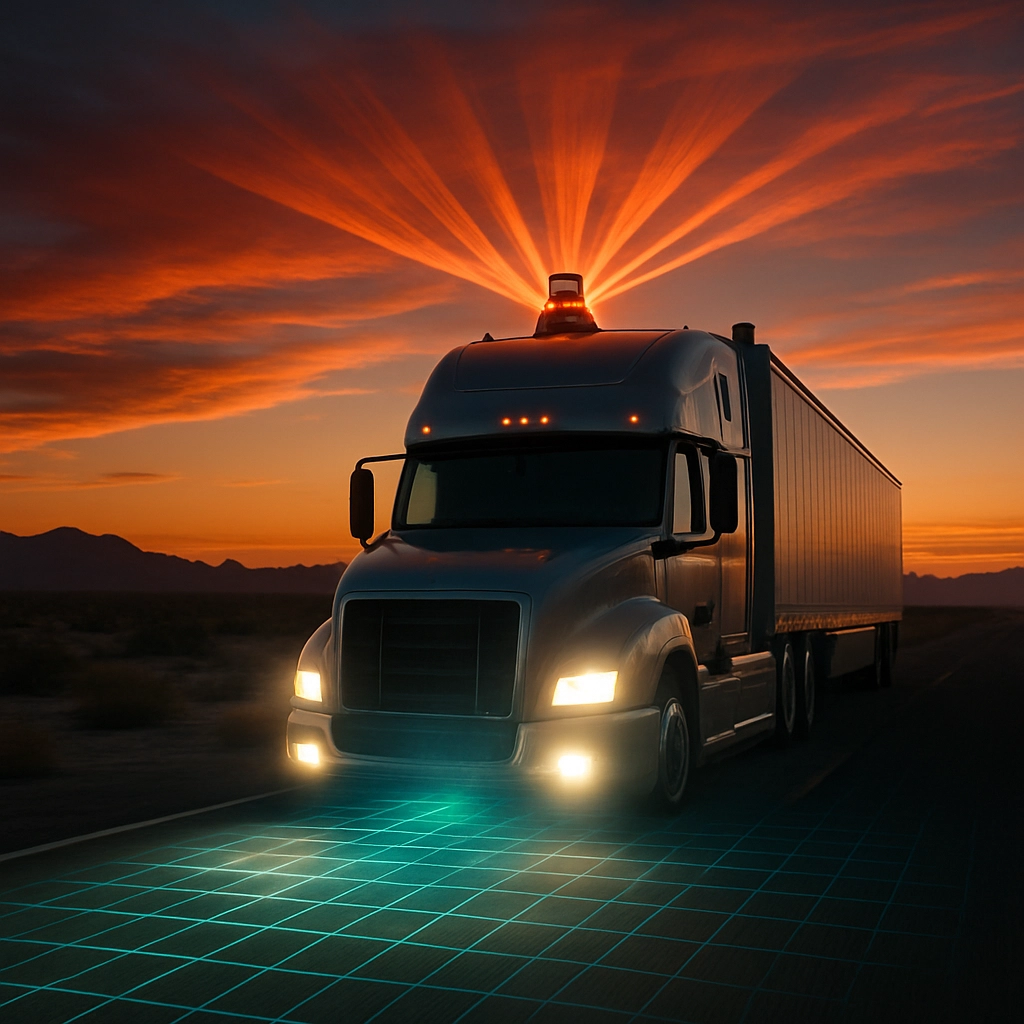
Practical example: In 2024, Humble Robotics launched a pilot program in Nevada, where their trucks traverse a 400-mile stretch of desert highway without any occupant. The trucks successfully navigated high winds, sensor glare, and even a sudden sandstorm by adapting their speed and following distance. The data collected from this pilot is now informing national safety standards.
Overcoming Challenges: Safety, Cybersecurity, and Public Trust
No discussion of autonomous vehicles is complete without addressing the elephants in the room: safety, cybersecurity, and public trust. How safe is safe enough? Studies show that autonomous trucks have a crash rate 50% lower than human-driven trucks, but the few high-profile accidents that have occurred—like the 2024 incident in Arizona—have sparked intense media scrutiny. Humble Robotics has responded with an unprecedented transparency policy, publishing crash reports and sensor data in real-time to the National Highway Traffic Safety Administration (NHTSA). They’ve also implemented a “safety case” framework that requires the system to prove its reliability through thousands of hours of simulation before road testing.
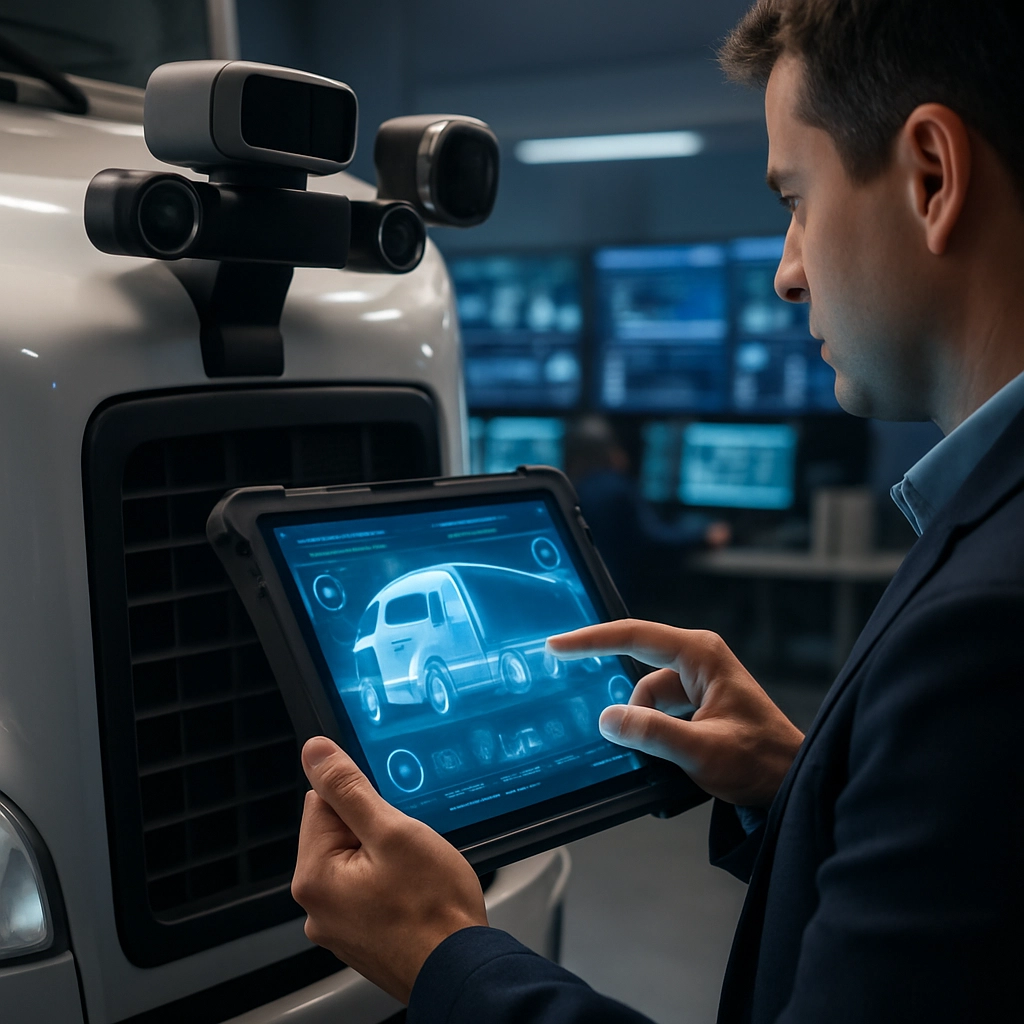
Cybersecurity is another critical layer. An autonomous truck is essentially a data center on wheels, susceptible to hacking if not properly fortified. Humble Robotics employs a multi-layered cybersecurity approach: encrypted communication channels, intrusion detection systems, and secure over-the-air updates that are cryptographically signed. They also have a dedicated “red team” that attempts to breach the system to identify vulnerabilities. In a recent hackathon, their team successfully thwarted 99.9% of simulated attacks, a statistic they proudly share with customers.
Public trust, however, is the hardest to build. People naturally fear what they don’t understand. Humble Robotics has engaged in community outreach, inviting local residents to ride along in their autonomous trucks (with a safety driver) and hosting open houses at their facilities. They’ve also partnered with schools to educate children about the technology, fostering a sense of familiarity and acceptance. This grassroots approach is slowly winning over skeptics.
Real-world case: In 2025, Humble Robotics launched a “Living with Autonomy” experiment in a small town in New Mexico, where their trucks were integrated into the daily life of the community for six months. The result? A 90% approval rating from residents, who appreciated the reduced noise and traffic congestion. This success story is being replicated in other regions.
The Economic and Environmental Impact
Beyond the technical marvel, the economic ripple effect of autonomous freight is profound. The global autonomous truck market is projected to reach $50 billion by 2030, creating tens of thousands of high-skilled jobs in AI engineering, sensor manufacturing, and fleet management. For developing countries, autonomous trucks could be a boon, improving supply chain efficiency for agriculture and manufacturing, and helping to lift rural economies. However, these benefits are not automatic; they require strategic investments in infrastructure, such as smart highways with embedded sensors and dedicated lanes, as well as international standard harmonization to allow cross-border operations.
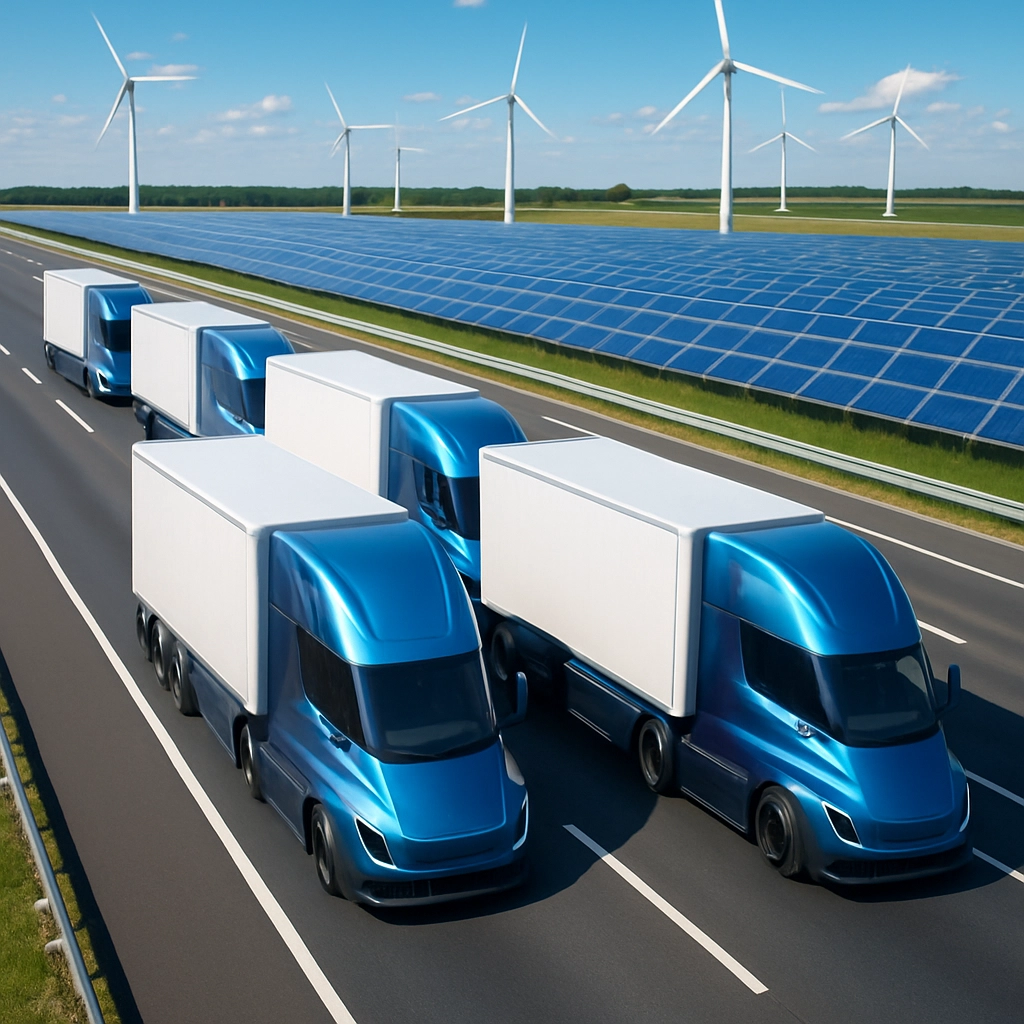
On the environmental front, consider the carbon footprint of freight. The trucking sector is responsible for roughly 8% of global CO2 emissions, and autonomous tech can reduce this by up to 20% through platooning (trucks driving in convoy with a 0.1-second reaction time) and predictive energy management. Humble Robotics is also developing an electric autonomous truck, which combines zero emissions with driverless operation. Their prototype, unveiled last October, boasts a range of 500 miles and a battery that can charge to 80% in just 30 minutes. This aligns with the push from major retailers like Amazon and Walmart to achieve net-zero logistics by 2040.
But such progress isn't without challenges. The cost of updating infrastructure is enormous, and there's a digital divide—some regions lack the 5G connectivity or high-quality road markings that autonomous systems rely on. Humble Robotics is addressing this by developing “edge AI” that makes the truck self-sufficient even in poor connectivity environments, using onboard processing. They're also lobbying for public-private partnerships to modernize rural highways, making autonomous technology accessible to all, not just wealthy states.
Practical example: In partnership with a European logistics company, Humble Robotics is conducting a cross-border trial between France and Germany, where their trucks have to switch between different traffic laws and road signs. The trial has been successful, and they're now working with the European Union to create a standardized framework for autonomous freight across member states. This is a pioneering step toward a connected, autonomous supply chain.
What’s Next? The Road Ahead
As we look to the future, the trajectory is clear: autonomous freight is not a passing fad but a foundational shift. By 2030, we can expect to see hundreds of autonomous trucks on U.S. highways, overseen by remote monitoring centers, and possibly no safety drivers. The key milestones will be: achieving Level 4/5 autonomy (full autonomy in specific conditions), gaining insurance premium parity with human drivers, and scaling the technology to commercial fleets of all sizes. Humble Robotics has already announced plans to expand to 10 new states by 2027, with a focus on creating a network of “autonomous truck stops” where vehicles can charge, inspect, and load/unload automatically.
Challenges remain, however. Algorithmic biases in AI, for instance, can cause vehicles to misidentify objects in certain lighting or weather conditions. Humble Robotics is investing heavily in synthetic data generation to train their AI for rare events, like a child running onto the highway or a fallen tree. They’re also collaborating with academic institutions to develop robust testing standards. Moreover, the potential for job disruption is a persistent concern—policymakers and businesses must work together to provide safety nets and retraining. Humble Robotics is at the forefront, having launched an “Autonomy Academy” to train drivers to become remote operators, with a 95% job placement rate.
Another exciting development is the integration of autonomous freight with smart city infrastructure. Imagine a highway that communicates with the truck, alerting it to traffic congestion ahead and suggesting alternative routes in real time. Humble Robotics is already testing vehicle-to-infrastructure (V2I) communication in a pilot project in Ohio, where their trucks receive signals from traffic lights and road sensors, optimizing their speed to arrive at the next green light—reducing fuel burn by 10%. This is not just about the vehicle; it’s about creating an intelligent ecosystem.
In conclusion, the return of autonomous vehicle hype is well-founded, and Humble Robotics is a standout player in this arena. By focusing on safety, pragmatism, and collaboration, they are proving that driverless freight is not only viable but also beneficial. For you, this means faster deliveries, lower costs, and a cleaner environment. For the industry, it means a new era of efficiency and innovation. The question is not if we should adopt this technology, but how fast we can integrate it without leaving anyone behind.
Call to Action
If you are in the logistics industry, now is the time to explore autonomous solutions. Start by conducting a pilot program with a company like Humble Robotics to understand the impact on your operations. If you are a policymaker, advocate for clear and consistent regulations that encourage innovation while protecting the public. And if you are a consumer, support those forward-thinking brands that are investing in sustainable freight. The future is autonomous, and it’s arriving sooner than you think—so buckle up, and let’s drive into this new world together.