The Complete Standard for Building and Automating Manufacturing and Production Management Systems
Manufacturing is one of the sectors that benefits most from automation, but the needs of a small workshop differ significantly from those of a multi-line or multi-factory operation.
Level 1: Products and Materials

- Products.
- Materials.
- Suppliers.
- Stock.
- Customers.
Level 2: Inventory and Bill of Materials

Accurate materials, inventory, and BOM data form the foundation of production automation.
Inventory should track raw materials, work in progress, finished goods, warehouses, and stock movements.
Each manufactured product should have a Bill of Materials defining its required components.
Level 3: Production Orders and MRP
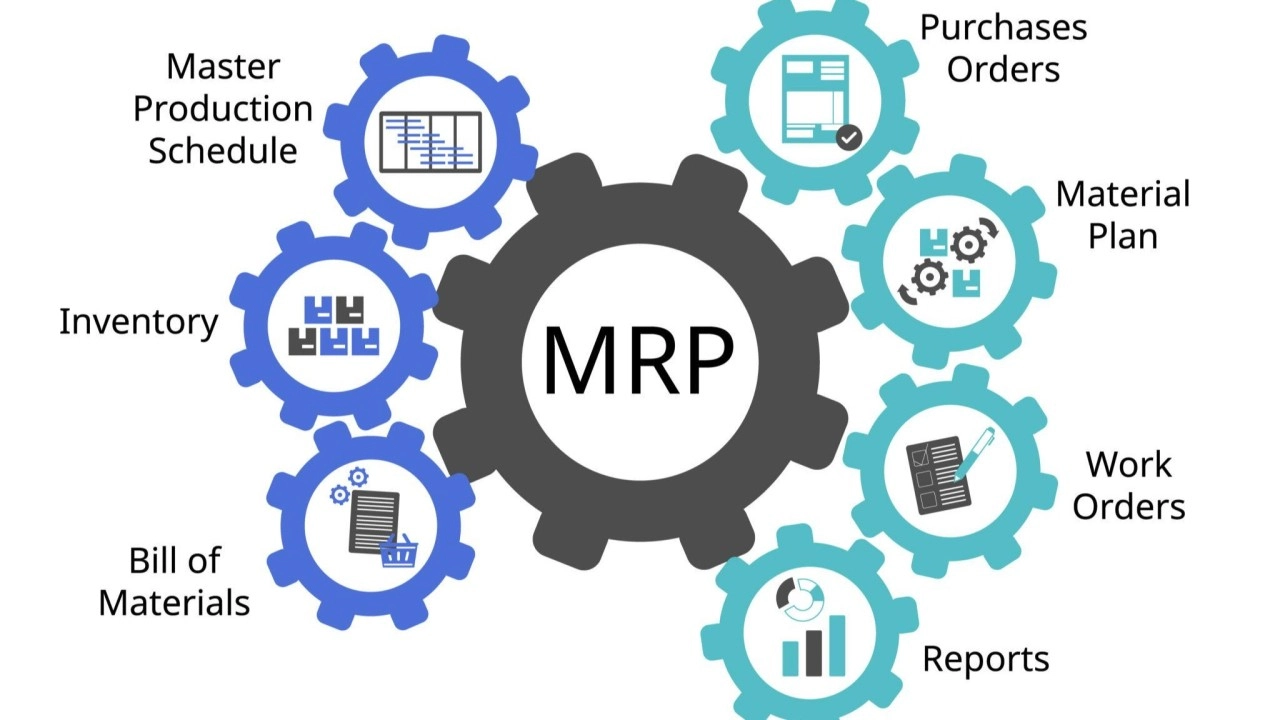
Production orders should track quantity, planned date, required materials, production line, workers, and status.
MRP answers a critical question: what materials do we need to purchase, and when?
It is based on demand, current inventory, orders, BOM, and supplier lead times.
Level 4: Quality and Maintenance


Quality control and preventive maintenance help reduce downtime, scrap, and production risk.
Quality
- Inspection.
- Sampling.
- Defects.
- Rejection.
- Rework.
- Quality reports.
Maintenance
- Machines.
- Maintenance schedule.
- Preventive maintenance.
- Failures.
- Spare parts.
- Technicians.
Level 5: Advanced Production Planning
- Capacity planning.
- Shift planning.
- Production scheduling.
- Bottleneck analysis.
Procurement and Sales Integration
Customer Order → Check Inventory → Create Production Order → Reserve Materials → Manufacture → Quality Control → Packaging → Shipping.
Costing
Product cost should include materials, labor, machine time, energy, overhead, and waste.
Analytics
- Production output.
- Scrap rate.
- Downtime.
- Yield.
- OEE.
- Cost per unit.
- On-time delivery.
- Inventory turnover.
IoT and Smart Factory
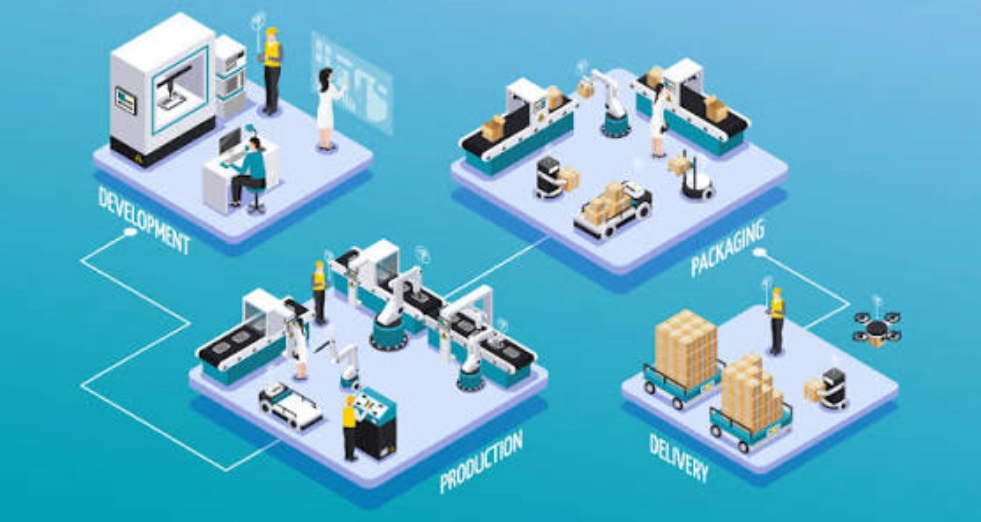
More advanced plants can connect machines, sensors, PLCs, and energy meters to operational systems. Industry 4.0 capabilities may include real-time monitoring, predictive maintenance, machine analytics, and digital twins.
Artificial Intelligence
AI can support demand forecasting, predictive maintenance, quality inspection, production optimization, and supply chain forecasting.
Predictive Maintenance
Temperature, vibration, power consumption, and error history can be analyzed to predict likely machine failure before breakdown.
Computer Vision
Camera systems can help identify defective products, missing components, and packaging problems.
ERP Integration

Large manufacturers usually need tight integration with sales, procurement, accounting, HR, warehousing, and logistics.
Multi-Factory Platform
Industrial groups may need centralized management of factories, plants, warehouses, production lines, and consolidated reporting.
Industrial Security
IT systems and OT systems should be properly separated and controlled, especially when production machines are connected to networks.
Conclusion
The maturity path is: Products → Inventory → BOM → Production Orders → MRP → Quality → Maintenance → ERP → IoT → AI → Smart Factory.