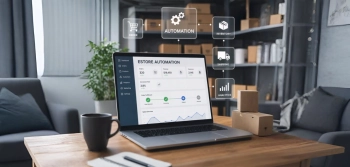
The Complete Standard for Building and Automating Restaurant and Cafe Systems
A small restaurant may only need a QR menu, while a restaurant chain may require POS, inventory, kitchen systems, delivery, suppliers, loyalty, accounting, and analytics.
Level 1: Digital Menu
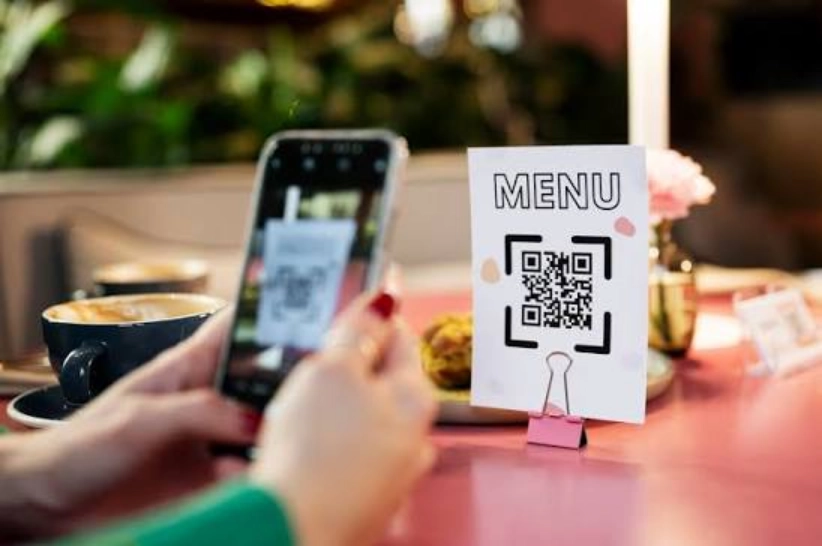
- Menu.
- Categories.
- Items.
- Prices.
- Images.
- QR code.
- Languages.
- Contact.
Level 2: Ordering and POS
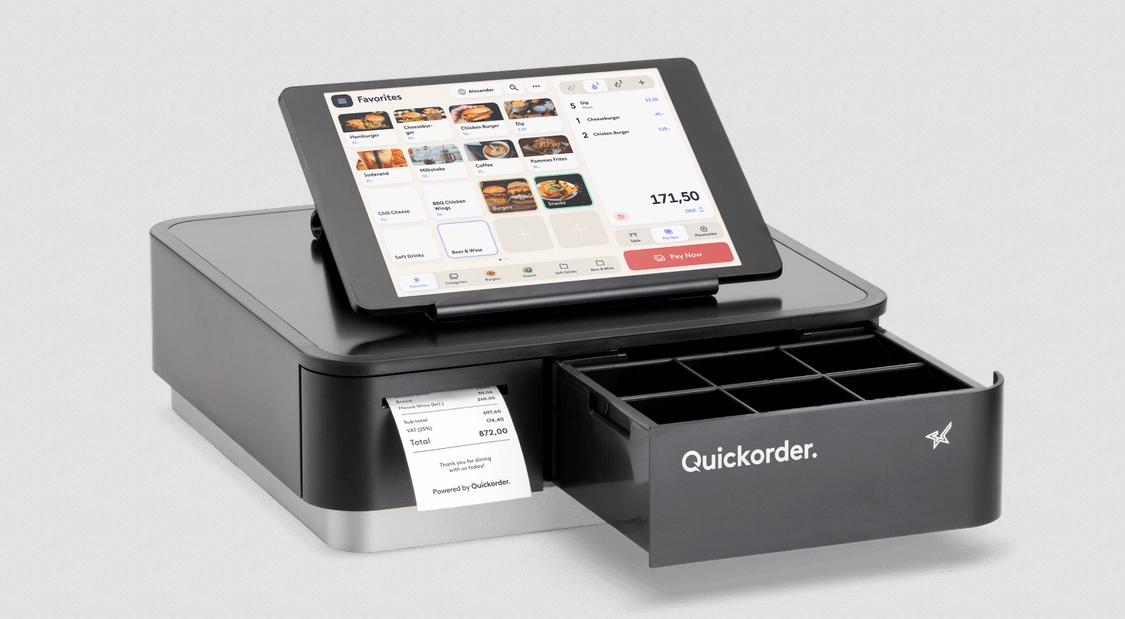

Restaurant systems should connect menu, orders, tables, payment, and kitchen operations.
Order channels may include table ordering, pickup, delivery, and online ordering.
Table Management
Manage tables, zones, reservations, occupancy, and waiter assignment.
POS
Manage orders, payments, discounts, taxes, receipts, and cashier sessions.
Kitchen Display System
Order Received → Kitchen Display → Preparing → Ready → Served.
Level 3: Inventory and Recipes
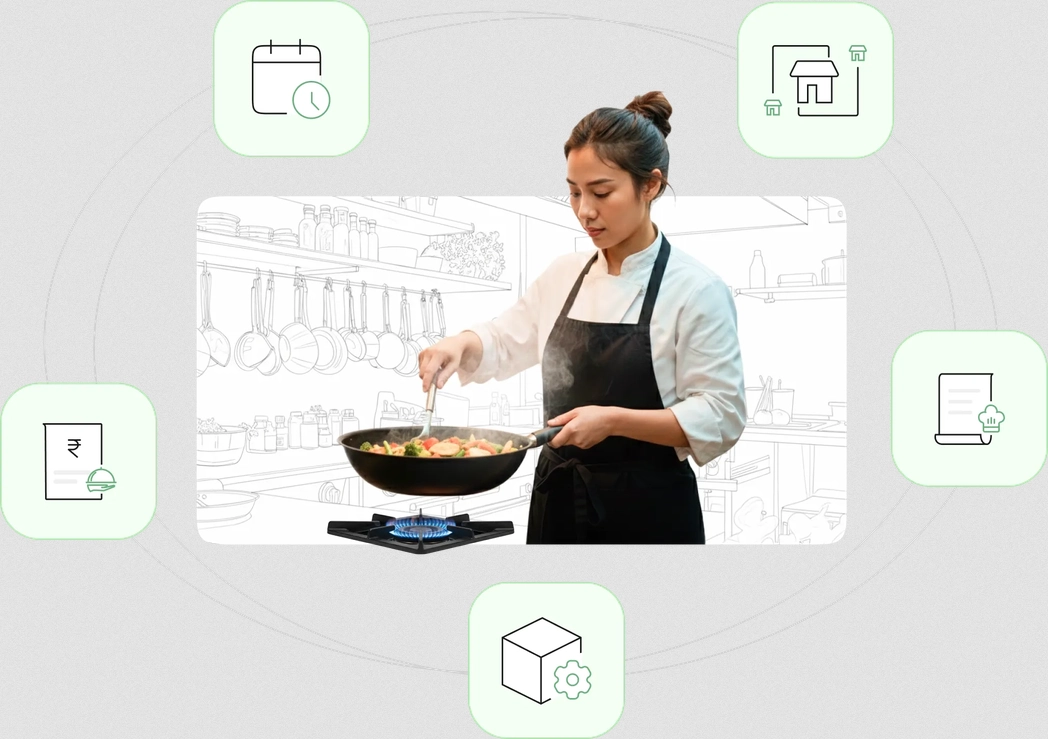
Recipe-based inventory deducts ingredients automatically whenever a dish is sold.

Recipe-level inventory helps control food cost, waste, and replenishment.
Waste Management
Track spoilage, waste, expired stock, and preparation loss.
Suppliers
Manage suppliers, purchase orders, deliveries, cost, and invoices.
Level 4: Delivery, Loyalty, and CRM
Delivery management may include zones, drivers, routes, tracking, and delivery fees.
Loyalty programs may use points, rewards, coupons, membership levels, and automated campaigns.
Restaurant CRM can track favorite dishes, average spending, visit frequency, and last order.
Level 5: Multi-Branch Operations
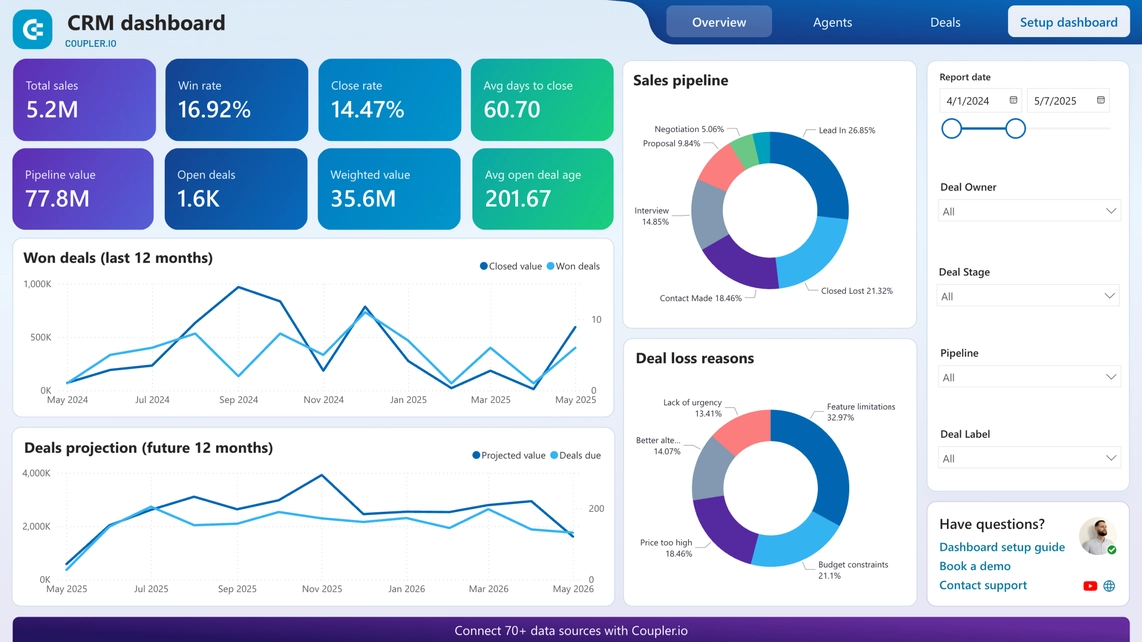
Chains require centralized branch, menu, pricing, inventory, employee, and reporting management.
Analytics
- Revenue.
- Food cost.
- Gross margin.
- Best sellers.
- Slow movers.
- Waste.
- Average ticket.
- Table turnover.
- Delivery performance.
Artificial Intelligence
AI can support demand forecasting, menu optimization, staff scheduling, upselling, and conversational ordering.
SaaS for Restaurants
A restaurant SaaS platform can support tenants, branches, POS, menus, orders, inventory, subscriptions, branding, and centralized analytics.
Conclusion
The maturity path is: QR Menu → Orders → POS → Kitchen → Inventory → Delivery → CRM → Analytics → AI → Multi-Restaurant SaaS.