The Complete Standard for Building and Automating Hotel and Booking Management Systems
A hospitality project may be a holiday apartment, small hotel, resort, hotel chain, or booking platform. Each requires a different level of operational automation.
Level 1: Website and Booking
- Rooms.
- Room types.
- Photos.
- Prices.
- Availability requests.
- Contact.
- Booking form.
Level 2: Booking Engine
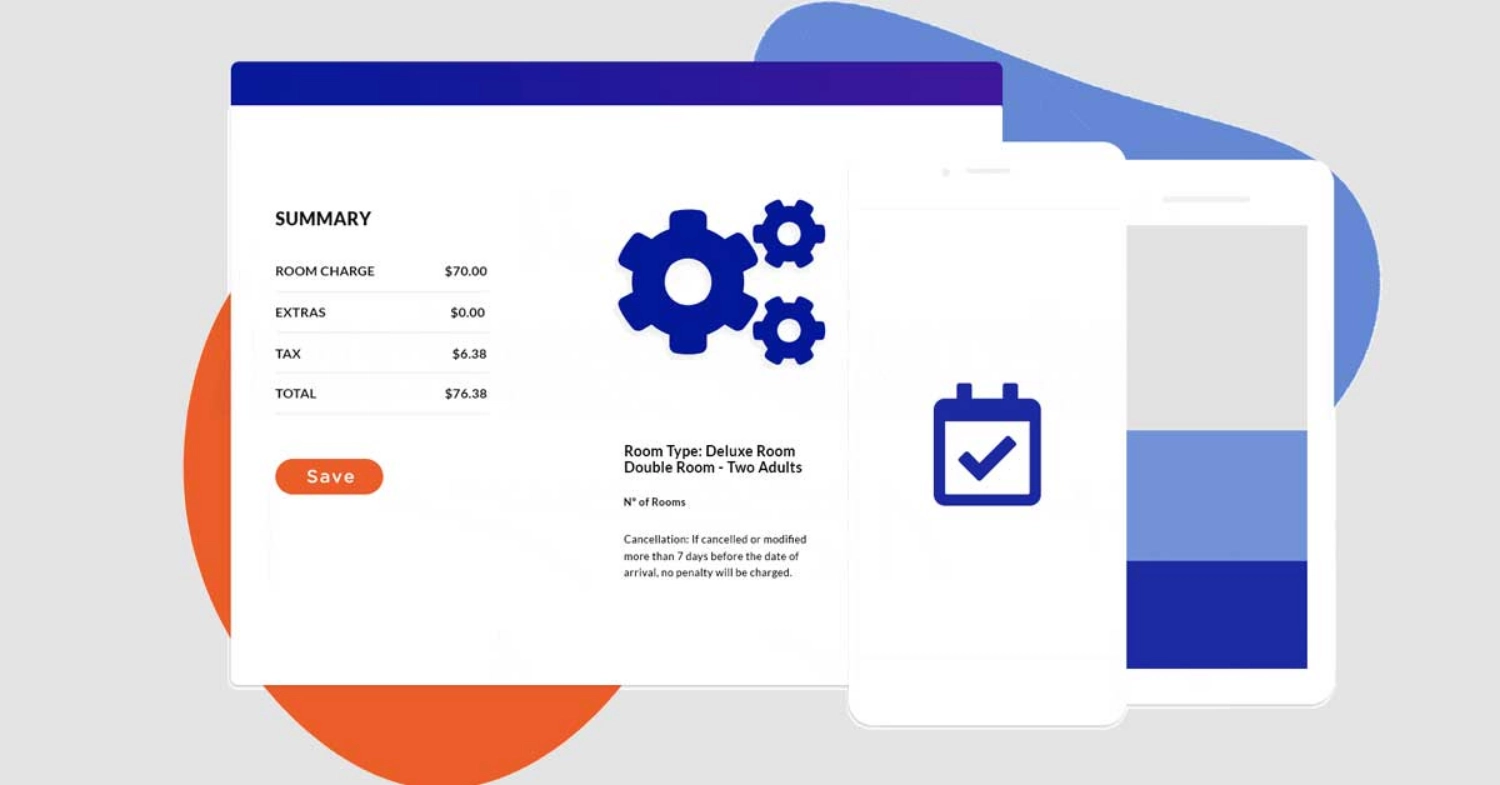

A booking engine should connect availability, rates, guests, reservations, and payments.
- Availability.
- Rates.
- Guests.
- Check-in.
- Check-out.
- Reservations.
- Payments.
Room Status
Typical statuses include Available, Reserved, Occupied, Dirty, Cleaning, Maintenance, and Out of Service.
Level 3: Property Management System
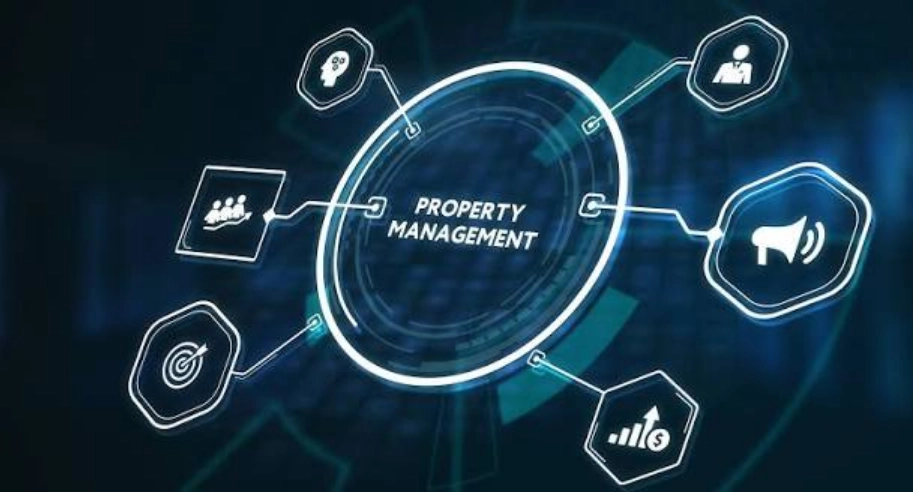
A PMS integrates reservations, guests, rooms, check-in, check-out, billing, and housekeeping.
Housekeeping
Check-out → Dirty Room → Cleaning Task → Staff Assigned → Cleaned → Available.
Rate Management
Support seasonal rates, weekend rates, promotions, long-stay discounts, and occupancy-based pricing.
Level 4: Channel Manager
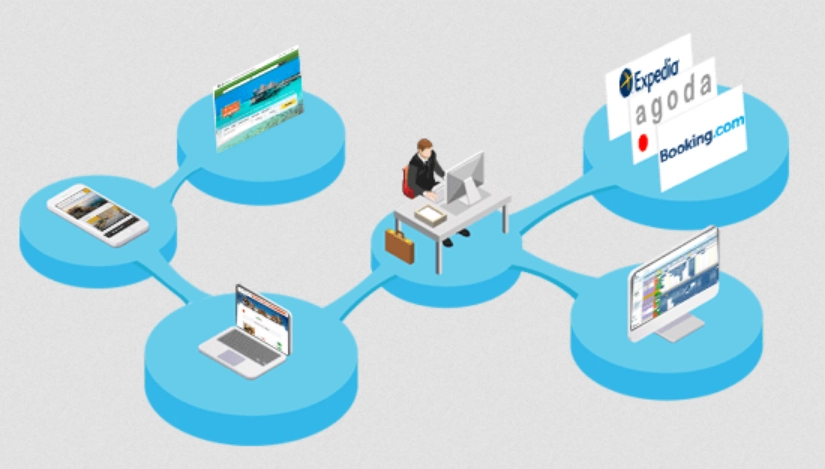

Channel synchronization helps prevent overbooking across booking platforms.
Hotels may sell through their website, Booking.com, Expedia, Airbnb, and other OTAs. Availability should be synchronized centrally to reduce overbooking risk.
Payments and Guest CRM
Support deposits, full payments, pay-at-property, refunds, and cancellation fees.
Guest CRM can store visit history, preferences, room preferences, special requests, and loyalty information.
Level 5: Internal Hotel Services
Services may include restaurant, spa, room service, laundry, transport, and events, all chargeable to the guest folio.
Maintenance
Track maintenance request, room, device, priority, technician, and completion.
Analytics and Revenue Management
- Occupancy Rate.
- ADR.
- RevPAR.
- Cancellation Rate.
- Average Stay.
- Channel Performance.
- Guest Lifetime Value.
Revenue management can adjust pricing according to demand, occupancy, events, seasonality, and competitor rates.
Artificial Intelligence
AI can assist with dynamic pricing, guest communication, upselling, demand forecasting, and review analysis.
AI Concierge
An AI concierge may answer service questions, arrange room service, book spa appointments, organize transport, and handle stay-extension requests.
Multi-Hotel SaaS
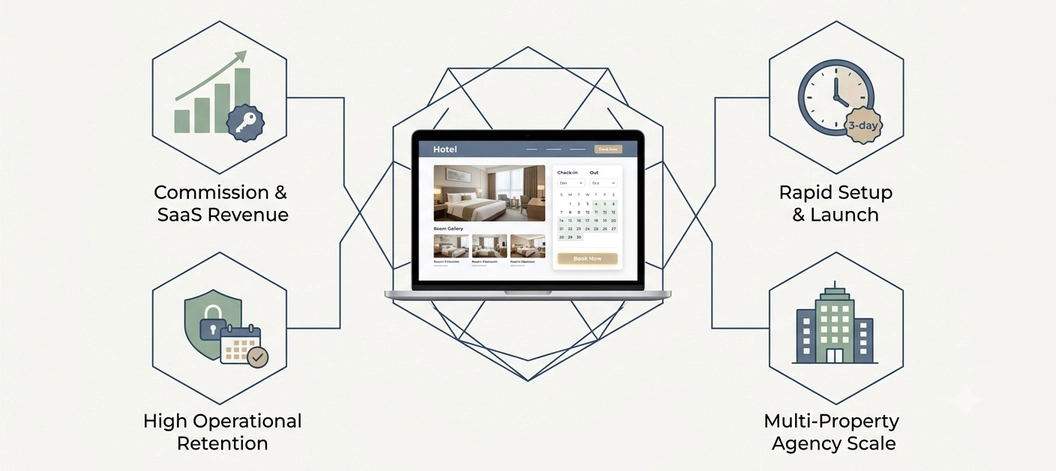
A platform for multiple properties may include hotels, brands, chains, subscriptions, central management, unified reporting, permissions, and white labeling.
Conclusion
The maturity path is: Website → Booking → PMS → Housekeeping → Payments → Channel Manager → CRM → Revenue Management → AI Concierge → Multi-Hotel Platform.