
SpaceX’s AI Device Prototype: The Phone That Could Redefine Connectivity
What if the next smartphone wasn’t made by Apple or Samsung, but by a company that launches rockets? Why would SpaceX, a pioneer in space exploration, venture into consumer electronics? How could an AI-powered device change the way we communicate, compute, and connect beyond Earth’s boundaries? These questions are no longer hypothetical. According to a recent report from TechCrunch, SpaceX has developed a prototype for an AI device that “sure sounds phone-ish.” This development signals a bold intersection of space technology and everyday consumer tech, promising to revolutionize how we think about mobile devices.
In this article, we’ll dive deep into what this prototype entails, why SpaceX is entering this space, and how it could impact both consumers and the broader tech industry. We’ll also explore the practical applications, challenges, and the future of AI-powered connectivity—both on Earth and in orbit.
1. The Prototype: A Phone-Like AI Device from SpaceX
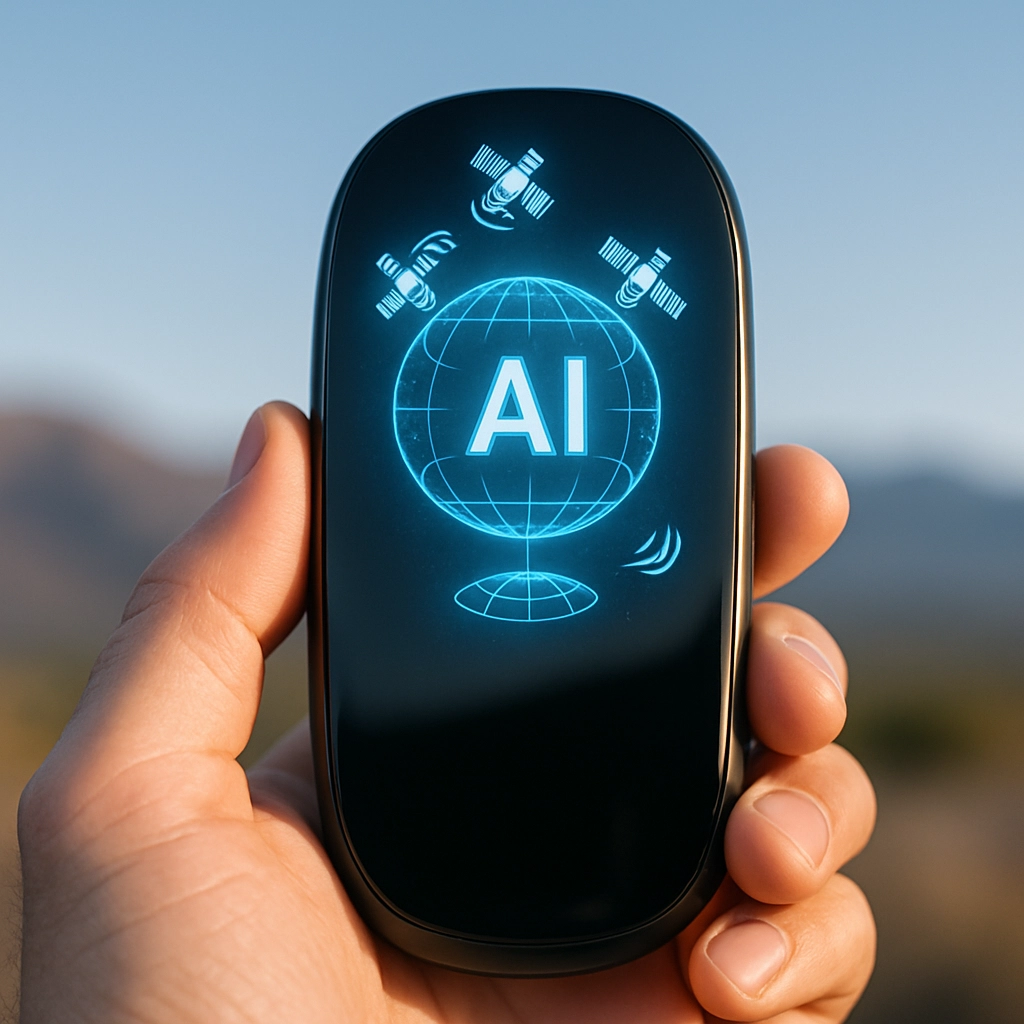
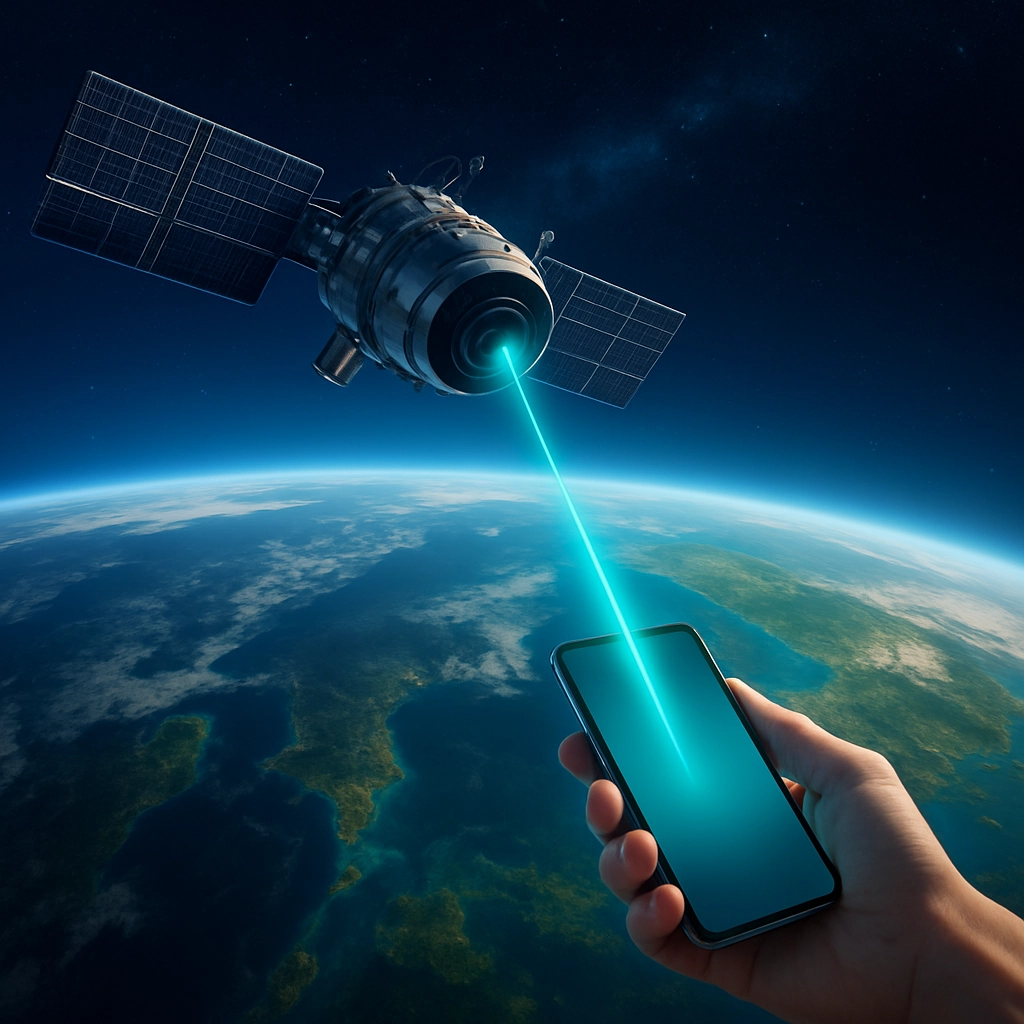
At its core, the SpaceX prototype is a compact, handheld device that integrates artificial intelligence to provide seamless connectivity. While officially described as an “AI device,” its form factor and functions strongly resemble a smartphone. The prototype is believed to leverage SpaceX’s Starlink satellite network, enabling direct satellite-to-device communication without relying on traditional cell towers. This would allow users to make calls, send messages, and access data from virtually anywhere on the planet—including remote oceans, deserts, and polar regions.
The device is rumored to include a customizable AI assistant that can manage tasks, optimize battery usage, and even predict user needs based on behavioral patterns. Its interface is designed to be minimalistic, relying heavily on voice commands and gesture controls to reduce screen dependency. The AI could also adapt to environmental conditions, such as switching to low-power mode during satellite handoffs or adjusting signal strength based on atmospheric interference.
Why this matters: If SpaceX succeeds, it could break the duopoly of terrestrial carriers and smartphone manufacturers, offering a device that truly works everywhere. Imagine hiking in the Himalayas or sailing across the Pacific and still having full connectivity—this prototype aims to make that a reality.
Real-world example: A disaster relief team in a war-torn region could use these devices to coordinate rescue efforts when local infrastructure is destroyed. Since the device relies on satellites, it would function even if all ground networks are offline.
2. The Strategic Rationale: Why SpaceX is Building a Phone
SpaceX’s core mission has always been to make humanity multiplanetary. However, to achieve that, communication infrastructure must extend beyond Earth. The Starlink network, with thousands of satellites in low Earth orbit, is already providing internet to remote areas. Now, SpaceX is taking it a step further by developing a consumer device that can directly tap into this network.
From a business perspective, entering the consumer electronics market diversifies SpaceX’s revenue streams beyond launches and satellite internet subscriptions. It also strengthens Starlink’s ecosystem, potentially locking in users with a dedicated device that offers superior integration.
Moreover, this move aligns with the growing trend of AI-powered hardware. Major tech companies are embedding AI into everything from glasses to earbuds. SpaceX, with its vast data and engineering expertise, can leverage AI to optimize satellite communication, making the device more efficient than any current smartphone.
Key drivers:
- Global coverage: Eliminating dead zones by using satellites.
- Monetizing Starlink: Creating a proprietary device to boost subscription numbers.
- Innovation leadership: Positioning SpaceX as a tech innovator, not just a launch provider.
Practical application: Consider a truck driver crossing the Australian outback. Currently, they face frequent signal loss. With this device, they could maintain constant communication, access real-time navigation, and receive weather updates—all powered by AI that learns their routes and suggests safer alternatives.
3. The Technology: AI and Satellite Integration
The magic behind this device lies in the seamless integration of advanced AI with satellite communications. AI algorithms would manage signal routing, optimizing latency and bandwidth by predicting satellite positions and adjusting the device’s connection accordingly. This is crucial because satellites are constantly moving, and maintaining a stable connection requires rapid, intelligent handoffs.
The AI would also handle voice recognition and natural language processing, enabling a hands-free experience. For example, users could say, “Send a message to my team that I’m delayed by 30 minutes,” and the device would compose, encrypt, and transmit the message via the nearest satellite—all without any screen interaction.
Furthermore, the device is expected to have advanced power management. AI would learn the user’s daily patterns, pre-charging the battery during optimal solar conditions (if equipped with solar panels) or adjusting screen brightness based on ambient light and satellite signal strength.
Real-world use case: An offshore oil rig worker could wear the device on their wrist (if it’s a hybrid watch), and it would automatically switch to satellite mode when the rig moves out of terrestrial coverage. The AI could also detect emergencies, like a sudden drop in atmospheric pressure, and send an SOS with GPS coordinates via satellite.
4. Potential Impact on the Telecom and Smartphone Industries
If SpaceX launches this device commercially, it could disrupt the traditional telecom industry. Carriers have spent billions building cell towers, but they can’t cover every square mile. Satellite-based devices could sidestep these infrastructure limitations, offering true global coverage. This could force carriers to partner with satellite providers or innovate their own solutions.
Smartphone giants like Apple and Samsung might also feel pressure. While they have incorporated satellite features (e.g., Apple’s Emergency SOS via satellite), a dedicated AI device from SpaceX could offer a more robust, always-on satellite connection. It might not replace smartphones entirely but could become a companion device for travelers, adventurers, and remote workers.
Challenges ahead: The device must comply with international regulations regarding radio frequencies. Also, making satellite calls from indoors is difficult, so the device would likely need to work in tandem with Wi-Fi or local networks when available. Battery life could be a concern as satellite communication is power-hungry.
Practical example: A journalist covering a conflict zone could use this device to transmit high-resolution photos and videos without relying on local networks, which might be monitored or shut down. The AI could encrypt data and route it through multiple satellites to avoid interception.
5. The Future: Beyond Earthly Limits
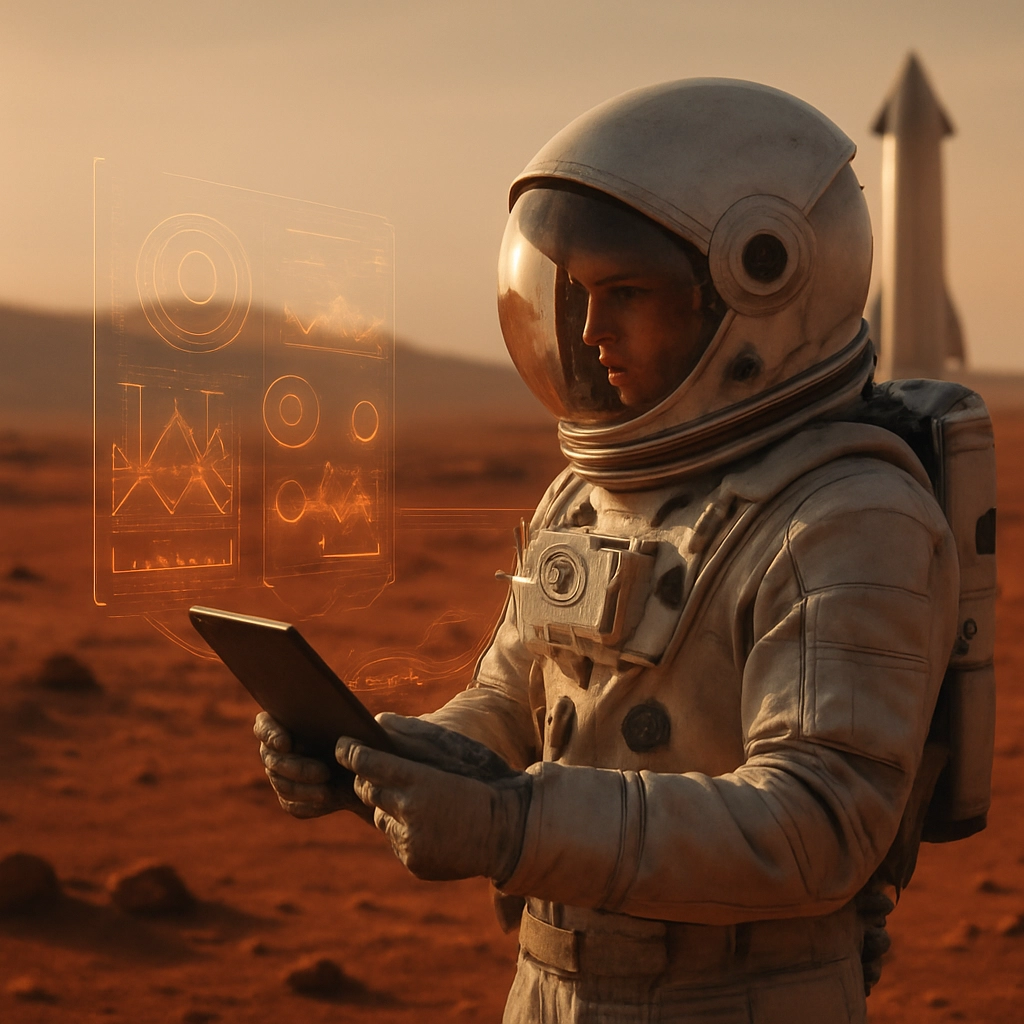
Ultimately, this device is a stepping stone toward SpaceX’s broader vision of enabling life on other planets. By developing a reliable, AI-driven communication device that works on Earth and in space, SpaceX can test technologies that will be crucial for future Mars colonies. The AI could manage life-support systems, coordinate rover missions, and maintain real-time communication between astronauts and Earth.
Moreover, with the rise of space tourism, such a device could become standard issue for tourists on orbital flights. Picture a passenger on a SpaceX Starship using the device to stream their journey live back to Earth—thanks to the AI optimizing the satellite link through a network of Starlink satellites in orbit.
Long-term implications:
- Interplanetary internet: The same technology could be adapted for inter-satellite laser links, creating a high-speed network across the solar system.
- AI autonomy: Devices would become more autonomous, making decisions on behalf of users in critical situations.
- Sustainability: Solar-powered devices could reduce reliance on batteries, making space travel more sustainable.
Real-world application: A lunar base crew could use this device to communicate with Earth with only a few seconds of delay, while the AI predicts communication windows when orbital positions align, ensuring uninterrupted contact.
6. What This Means for You: Practical Implications
For everyday consumers, the most immediate benefit is the promise of never being out of reach. Whether you’re hiking in a remote national park, flying on a private plane, or living in a rural area with poor coverage, this device ensures you stay connected. The AI’s ability to learn your habits could also streamline your digital life—automatically scheduling messages, filtering spam, and even suggesting actions based on your location.
However, there are concerns about privacy and data security. With AI processing significant amounts of personal data, users will need assurances that their information is protected. SpaceX will have to implement robust encryption and comply with global data protection laws.
Moreover, the price could be prohibitive initially. Satellite communication hardware and advanced AI chips are expensive. But as technology matures, costs are likely to drop, similar to how GPS receivers became ubiquitous.
Actionable advice: If you are an early adopter or a professional who works in remote areas, consider waiting for reviews from independent tests before purchasing. Look for devices that are water-resistant, have long battery life, and support multiple frequency bands.
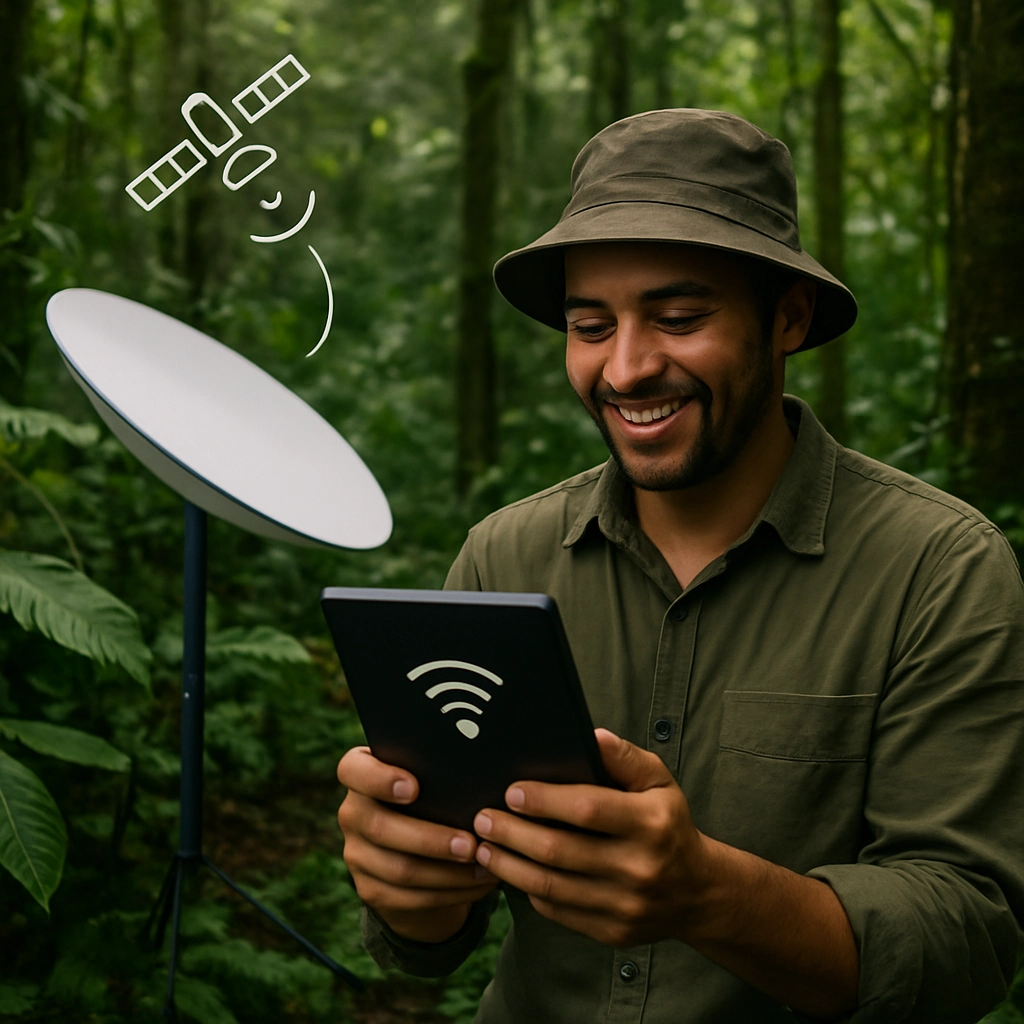
Practical example: A wildlife researcher tracking endangered species in the Amazon rainforest could use this device to send daily updates to their institution without carrying heavy satellite phones. The AI could also analyze animal movement patterns in real time, providing valuable insights that were previously impossible due to lack of data.
Conclusion
In summary, SpaceX’s AI device prototype is more than just a phone—it’s a vision of a connected future that extends beyond terrestrial boundaries. By combining Starlink’s satellite network with advanced AI, SpaceX aims to deliver seamless global communications, disrupt the telecom industry, and pave the way for interplanetary connectivity.
While there are hurdles to overcome, from regulatory approvals to battery life, the potential rewards are immense. If successful, this device could become as essential as the smartphone, especially for those who demand connectivity without limits.
As we stand on the brink of this new era, one must ask: Will you be ready to embrace a device that truly connects you to the world and beyond? The future is unfolding, and SpaceX is leading the charge.