
WhatsApp Usernames: A New Feature Already Raising Impersonation Red Flags
What happens when a platform designed for private, phone-number-based communication introduces a public-facing username system? Why does a seemingly innocuous feature trigger immediate concern among security experts and users alike? How can a simple change in digital identity management create a breeding ground for scams and impersonation? The recent rollout of WhatsApp usernames—a feature long requested by users—has come with an unexpected and troubling side effect: an uptick in impersonation attempts and security anxieties. Let’s dive into the implications, the risks, and what this means for the future of secure messaging.
Understanding WhatsApp Usernames: The New Digital Identity
WhatsApp's usernames feature, which began rolling out globally in mid-2026, allows users to choose a unique handle (e.g., @john.doe) that can be used to initiate conversations without sharing a phone number. This is a paradigm shift for the app, which has historically relied on phone numbers as the sole identifier. The feature is designed to enhance privacy—letting you control who can find you and contact you, and to create a more professional or personalized public presence.
However, the implementation has quickly revealed a critical flaw: the lack of a robust verification system for these usernames. Unlike platforms like Twitter, where verified accounts use a blue checkmark and strict identity checks, WhatsApp's usernames are simply claimed on a first-come, first-served basis. This means anyone can register a username that mimics a known brand, a public figure, or a friend. For instance, a scammer could easily create @james.moore, impersonating a colleague, and message a target with a fake request for a wire transfer. The potential for social engineering attacks is massive.
The feature also changes how trust is established. In the past, a phone number was a semi-private identifier; now, a username is a public call sign. Users must reassess who they trust and how they verify identity. Real-world examples are already surfacing: in the first week after the rollout, reports of fake customer support accounts claiming to be from banks and ISPs began appearing on social media, using WhatsApp usernames to phish for personal data. This is a textbook case of a feature introduced without adequate safeguards for the new attack surface it creates.
To adapt, users can either maintain strict privacy settings (only allow contacts to find them by username) or employ a two-step verification process when being contacted by a new username. But the onus should not be on the user; WhatsApp must implement a verification layer, perhaps similar to the blue checkmark model, to prevent impersonation. Until then, the feature is a double-edged sword: it offers convenience but at the cost of security.
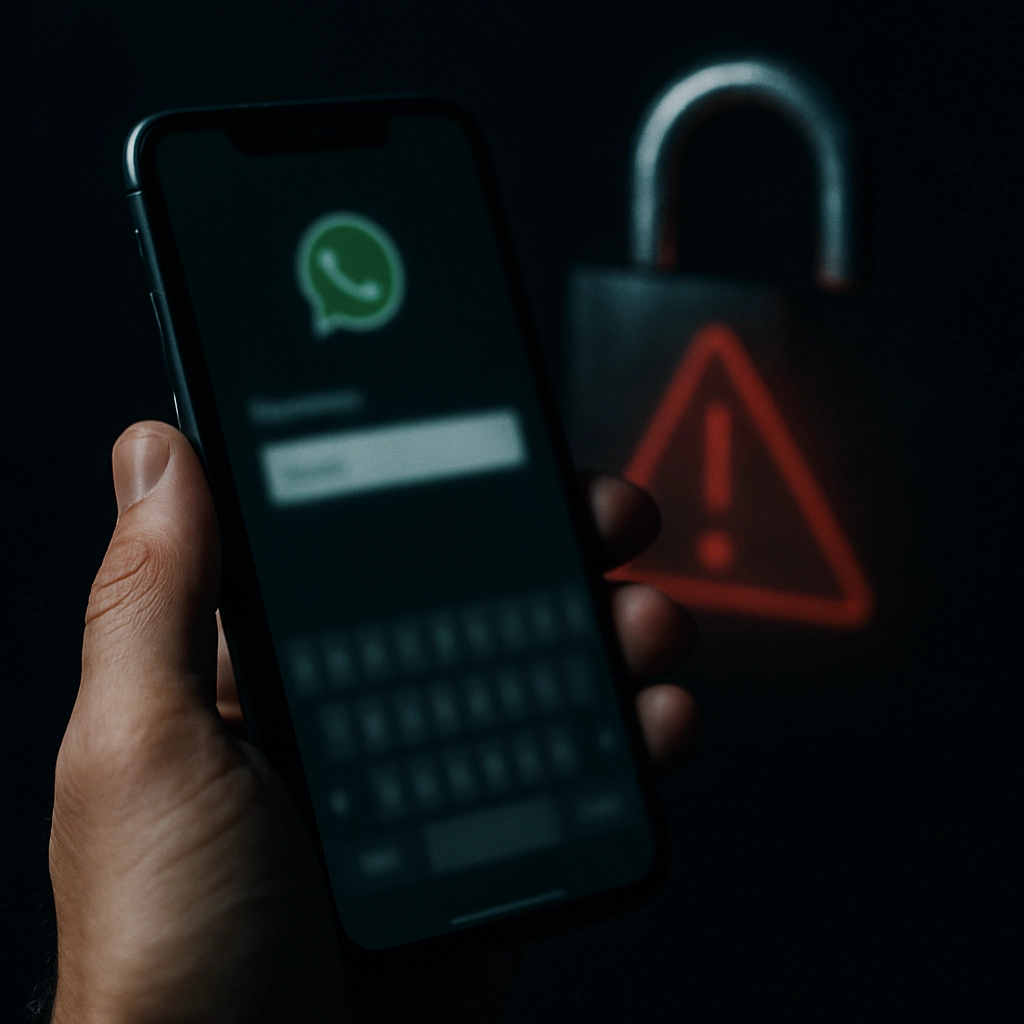
The Impersonation Risk: How Scammers Are Exploiting Usernames
The core issue is that usernames are practically untraceable. When you message someone by phone number, you have a fixed, verifiable conduit. With usernames, a scammer can create a decoy identity in seconds, and after the scam, simply abandon the username and create a new one. There’s no permanent record linking the username to a SIM card or hardware, making it nearly impossible for law enforcement to track the perpetrator.
Scammers are already using automated bots to sweep up thousands of popular usernames—names of celebrities, business executives, and even everyday people with common names. These bots then sell the usernames on dark web marketplaces, or use them directly for attacks. For example, a scammer might register @sarah.johnson and then send out a mass message to all contacts who also have the username Sarah Johnson in their phone's address book, tricking them into thinking it’s a legitimate contact.
Moreover, the phishing vectors have diversified. Instead of just sending a link, scammers now use a username to initiate a chat, then ask the victim to add them back or verify their identity by clicking a malicious link. The familiarity of WhatsApp makes users more lax; they are conditioned to trust messages from known names, but usernames break that trust chain.
A practical example: many small businesses have been targeted. A business owner with an official WhatsApp Business account yesterday finds out that a scammer has created a username similar to their business name (e.g., @TechCrunchNews vs. @TechCrunchNewz). The scammer then contacts the business's clients, informing them of a 'system update' and requesting a security code, which they then use to hijack the client's own WhatsApp account. This is a classic account-takeover vector, now amplified by the username feature.
Until WhatsApp introduces a mandatory two-factor authentication for username changes, or a public verification process, users must be hyper-vigilant. Always double-check the phone number if you have it, use the 'verify security code' feature on chats, and never share sensitive information with a contact you've only reached via a username.
User Privacy and Control: Usernames vs. Phone Numbers
On the surface, usernames seem to offer a privacy boost: you can talk to someone without revealing your phone number. This is especially useful for professionals, creators, or anyone who wants to keep their personal number private. But this very protection creates a new vulnerability. With phone numbers, you often have a prior relationship or at least a context for the contact. With usernames, the context is gone. You might receive a message from a username that looks right, but you have no idea who is behind it.
Furthermore, usernames introduce a new issue: username squatting. Just as domain names are hoarded, usernames that match popular brands or people are being reserved, either for ransom or for later malicious use. WhatsApp’s terms of service explicitly prohibit squatting, but enforcement lags far behind the abuse. A citizen might find their own full name taken by a bot, forcing them to choose a less intuitive handle, which in turn could lead to misidentification.
The control over your own identity is also out of your hands. In the past, if you wanted to be unreachable, you could change your phone number. Now, if a scammer impersonates you via a username, your reputation is at risk, and you have no way to delete or dispute the fake username quickly. This is a significant loss of user agency.
To mitigate this, WhatsApp should provide a 'report and block' mechanism that works quickly, and they should offer a way to claim a username for a period before it becomes public, similar to a trademark process. Also, users should be able to set a 'verified by number only' mode, where usernames do not appear in searches unless you provide your exact phone number first.
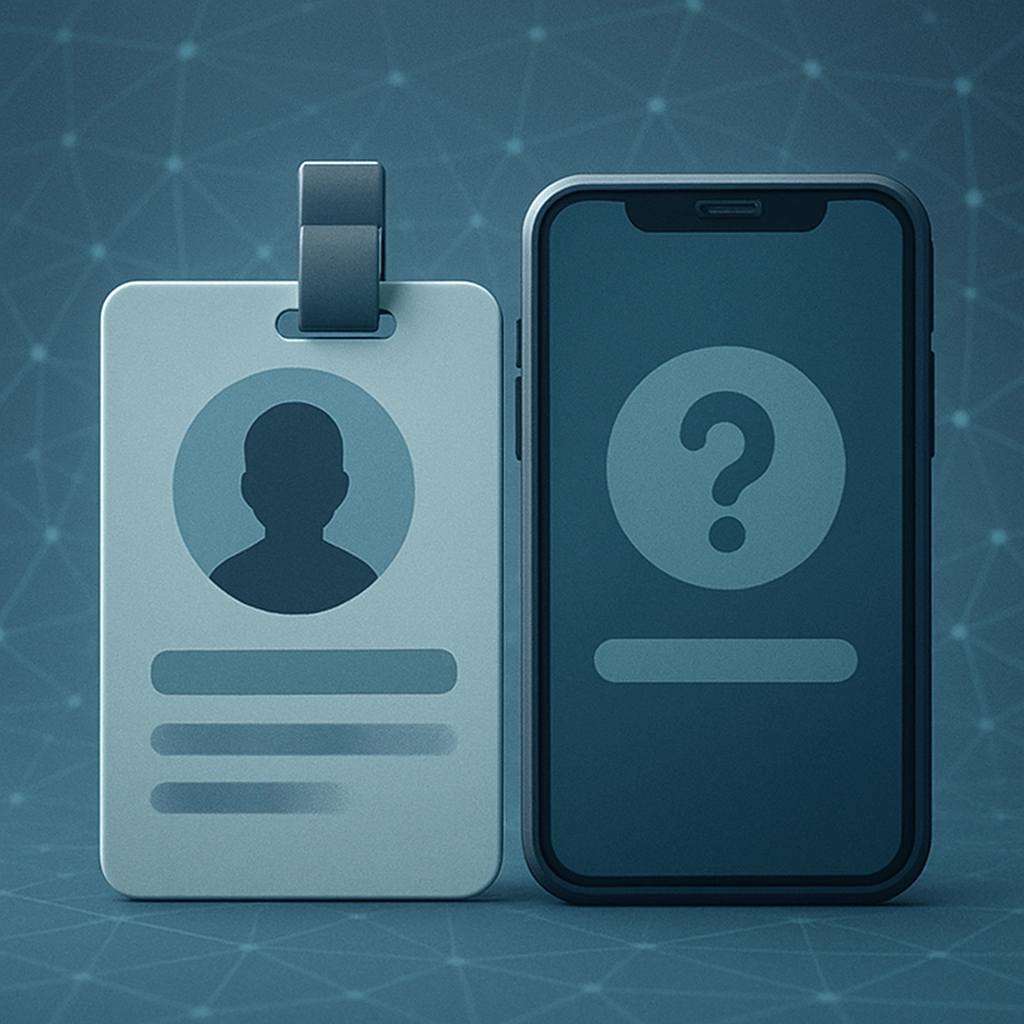
Security Protocols and Verification: What WhatsApp Must Do
In response to early criticisms, WhatsApp has stated that they are working on an algorithm to detect 'high-risk' usernames, such as those matching known brands or public figures. However, this is a reactive measure, not a proactive one. The algorithm will not prevent a scammer from registering your name today; it will only flag it after the fact, when damage may already be done.
A more effective strategy would be to require a bound verification when choosing a username. For example, a user could verify their identity by linking an official government ID or by using a verifiable professional email address. This would not have to be displayed publicly, but it would be stored and used to trace abuse. Additionally, implementing a 'trust anchor' system—where a trusted contact vouches for your username—could add a social layer of verification, much like the old 'key verification' for end-to-end encryption.
Another angle is to make usernames changeable only with a delay (e.g., a 7-day waiting period) and to notify all contacts when a username is changed. This would limit the ability of scammers to rapidly cycle through identities. Also, for businesses, WhatsApp Business should enforce a strict verification of official usernames, using the same process as their green checkmark for official accounts. Without this, the enterprise trust will be eroded.
Practical application: For any company, it is now crucial to secure your brand username on WhatsApp immediately, even if you don't plan to use the feature right away. This is a form of defensive registration. Also, advise your employees to never accept a message from a username if they have a known phone number, and to always cross-check via another channel.
Steps for Users to Protect Themselves
- Enable two-step verification for your WhatsApp account (Settings > Account > Two-step verification).
- Never share your username publicly on social media or forums.
- If you receive a message from a new username, verify the identity through a separate channel (call the person, or use a different messaging app).
- Use WhatsApp's 'report spam' feature on any suspicious messages, and block the username immediately.
- Be cautious of urgent requests for money or sensitive data, even if they appear to be from a known contact.
Future Implications: The Evolution of Messaging Identity
This is not just a WhatsApp problem; it is a preview of the broader shift toward more open and searchable messaging identities. As apps like Telegram and Signal already have usernames, WhatsApp is catching up, but they have the opportunity to learn from past mistakes. The trend toward decentralized identity means that usernames will become a critical asset, and the term 'digital identity theft' will take on a new meaning.
What can we expect in the future? Possibly the integration of cryptographic identity attestations, where a username is cryptographically tied to a public key, making impersonation impossible. Or, the rise of 'username insurance' and identity monitoring services specifically for messaging apps. Already, some cybersecurity firms are offering 'username watch' as a service, alerting clients when a username resembling theirs is created on any major platform.
For the average user, this is a wake-up call to be more vigilant about how we communicate. The convenience of a username is not worth the loss of security. We must demand better from our messaging platforms, and we must also adapt our own behaviors. The era of blind trust in a name is over. In the digital age, we must foster a culture of verification, always asking: 'Who is this really?'
In conclusion, WhatsApp's usernames are a necessary evolution, but they were introduced prematurely. The red flags raised by early adopters are justified. The onus is on WhatsApp to develop robust verification mechanisms, and on users to adopt a security-first mindset. Only then can usernames fulfill their promise of enhanced privacy without becoming a vector for scams. Stay informed, stay cautious, and always verify.

Real-World Case Study: The Fake Executive Scam
In the first month of the username feature, a Fortune 500 company experienced a targeted attack. A scammer created a username mimicking the CEO's personal name (e.g., @ceo.john.doe) and then messaged the CFO of the company via WhatsApp, asking for a quick approval of a 'confidential' wire transfer. The CFO, who had the CEO's actual phone number but had never used WhatsApp with him, saw the username and assumed it was a new staff number. The request was time-sensitive, and the CFO complied, almost transferring $250,000 before a colleague caught the error during a routine check.
This case highlights a two-fold failure: the scammer exploited the lack of verification, and the employee did not verify the request through a secondary channel. The company has since implemented a policy where all financial requests must be confirmed via a video call or a known phone number, not just a messaging app. This is a direct result of the new vulnerability.
Experts recommend that companies update their internal security protocols to include 'message verification' for any monetary or data-sensitive requests. They also suggest that businesses monitor their brand usernames on a daily basis, using automated tools to alert them to suspicious registrations.
The broader lesson is clear: the technology must advance, but so must our security culture. We are in a transitional phase where the old safeguards are gone, and the new ones are not yet in place. Every user, from an individual to a multinational corporation, must be an active participant in safeguarding their digital identity.
Conclusion: A Call for Responsible Feature Rollouts
WhatsApp's usernames are here to stay, but their introduction has been a masterclass in how not to launch a security-sensitive feature. By not anticipating the obvious impersonation vectors, WhatsApp has put its billions of users at risk. It is now imperative that the platform takes swift and decisive action to add a verification layer. For users, the message is simple: do not let convenience trump safety. Always verify, always be skeptical, and always protect your personal information. The red flags have been raised; it’s time for everyone—users and developers alike—to heed them.