What, Why, and How: Microsoft Open-Sources Its Farm of the Future Toolkit to Revolutionize Global Agriculture
What if the key to solving world hunger was not just bigger farms, but smarter ones? Why is a technology company like Microsoft investing time and resources into agriculture, a field often seen as traditional and low-tech? How can cutting-edge artificial intelligence, cloud computing, and data analytics be democratized to help farmers of all sizes, from smallholders in developing nations to large-scale industrial operations? The answer lies in an ambitious, open-source initiative called the Farm of the Future Toolkit.
In a significant move to bridge the gap between technology and sustainable agriculture, Microsoft has officially open-sourced its Farm of the Future Toolkit. This is not just another software release; it is a blueprint for a global transformation in how we grow food. By making this powerful toolkit freely available to universities, agritech startups, non-profits, and farming cooperatives worldwide, Microsoft is betting on the collective intelligence of the community to solve the most pressing challenges in food production.
The core premise is simple yet profound: modern farming generates an immense amount of data. From soil moisture sensors and drone imagery to satellite weather data and equipment telemetry, a single farm produces terabytes of information every season. However, raw data, as farmers have known for millennia, is worthless without actionable insights. The Farm of the Future Toolkit provides the digital infrastructure to collect, aggregate, and analyze this data using artificial intelligence, turning it into precise recommendations that can reduce waste, increase yield, and lower environmental impact.
This article explores the core components of this toolkit, its real-world applications, and the profound implications it holds for digital transformation in the agricultural sector. We will break down the technology into six key areas, providing a deep understanding of what this toolkit is, why it matters, and how it works.
1. The Digital Nervous System: Data Ingestion and Management
The first and most critical layer of the Farm of the Future Toolkit is its ability to act as a centralized digital nervous system for a farm. In the past, a farmer might have one Excel spreadsheet for planting schedules, another for irrigation logs, and a paper notebook for pest observations. This fragmented approach makes large-scale analysis impossible.
The toolkit provides a robust, scalable architecture built on Microsoft Azure to ingest data from virtually any source. This includes APIs from major tractor manufacturers like John Deere, data streams from IoT soil sensors, images from drones and satellites, and even manual inputs from a farmer’s mobile app. The key innovation is its standardized data model. By converting disparate data formats into a common language, the toolkit allows different systems to talk to each other seamlessly. For example, a weather forecast can automatically adjust the irrigation schedule programmed into the field controllers.
Real-World Application: The Smart Irrigation Project
Consider a corn farm in the American Midwest. Previously, the farmer relied on a static schedule to water 500 acres. With the toolkit, moisture sensors transmit real-time data to Azure. A machine learning model, also part of the toolkit, analyzes this data alongside a 10-day weather forecast. It identifies that the northern section of the field retains moisture better than the sandy southern section. The system automatically sends a command to the irrigation pivot to water the southern section today but skip the northern section, saving millions of gallons of water annually and preventing nitrogen runoff. This is not a futuristic fantasy; it is a solution being deployed using the open-source code.
The open-source nature is critical here. A small agritech startup cannot afford to build a data infrastructure from scratch. By using the Farm of the Future Toolkit, they can skip the foundational work and focus on their unique value proposition—perhaps a specialized AI model for detecting a specific pest. This accelerates innovation across the entire agricultural ecosystem.
2. The Brain: AI Models for Precision Agriculture
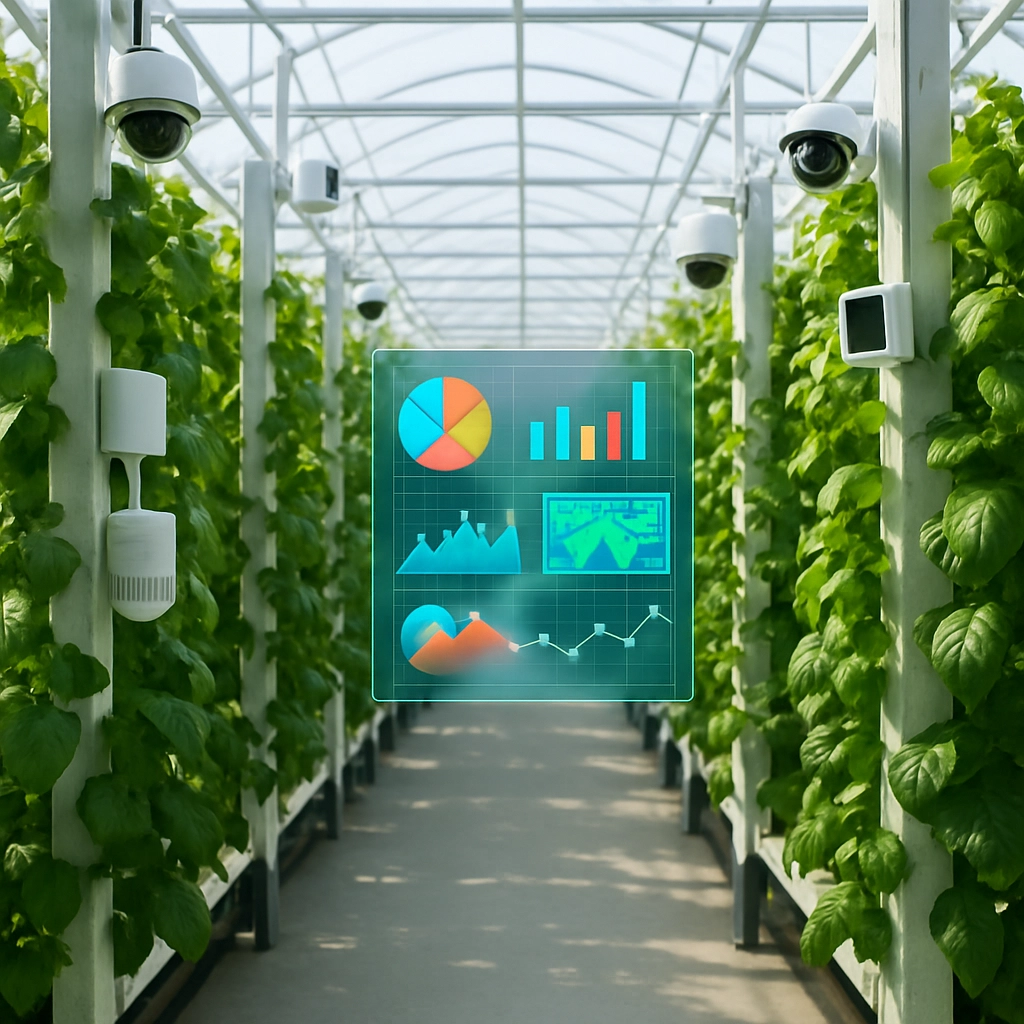
Once the data is flowing, the real magic happens in the AI and machine learning layer. Microsoft has bundled several pre-trained models within the toolkit that can be fine-tuned for specific crops and regions. These models are designed to solve three of the biggest problems in farming: yield prediction, disease detection, and resource optimization.
The yield prediction model uses historical and current data to forecast, with high accuracy, how many bushels of wheat or tonnes of tomatoes a field will produce. This is invaluable for supply chain planning and commodity trading. The disease detection model can analyze images of crop leaves captured by a smartphone or drone. It can identify early signs of blight, rust, or fungal infections long before the human eye can see them, allowing for targeted, localized spraying instead of blanket application. This drastically reduces chemical use, improving environmental sustainability and farmer profitability.
Practical Application: Fighting Cassava Mosaic Disease in Africa
A powerful example of this is the fight against Cassava Mosaic Disease, a devastating virus that threatens the staple crop for hundreds of millions of people in sub-Saharan Africa. A non-profit organization integrated the toolkit’s AI model with a simple smartphone app. Farmers in remote villages can take a picture of a cassava leaf showing symptoms. The AI, running in the cloud, diagnoses the disease with over 95% accuracy within seconds. The farmer receives an instant alert and a recommended treatment plan. Because the toolkit is open source, this solution was deployed in weeks, not years, and the data collected from farmers is helping researchers develop more resilient cassava varieties.
3. The Hands: Robotic Process Automation (RPA) and Autonomous Systems
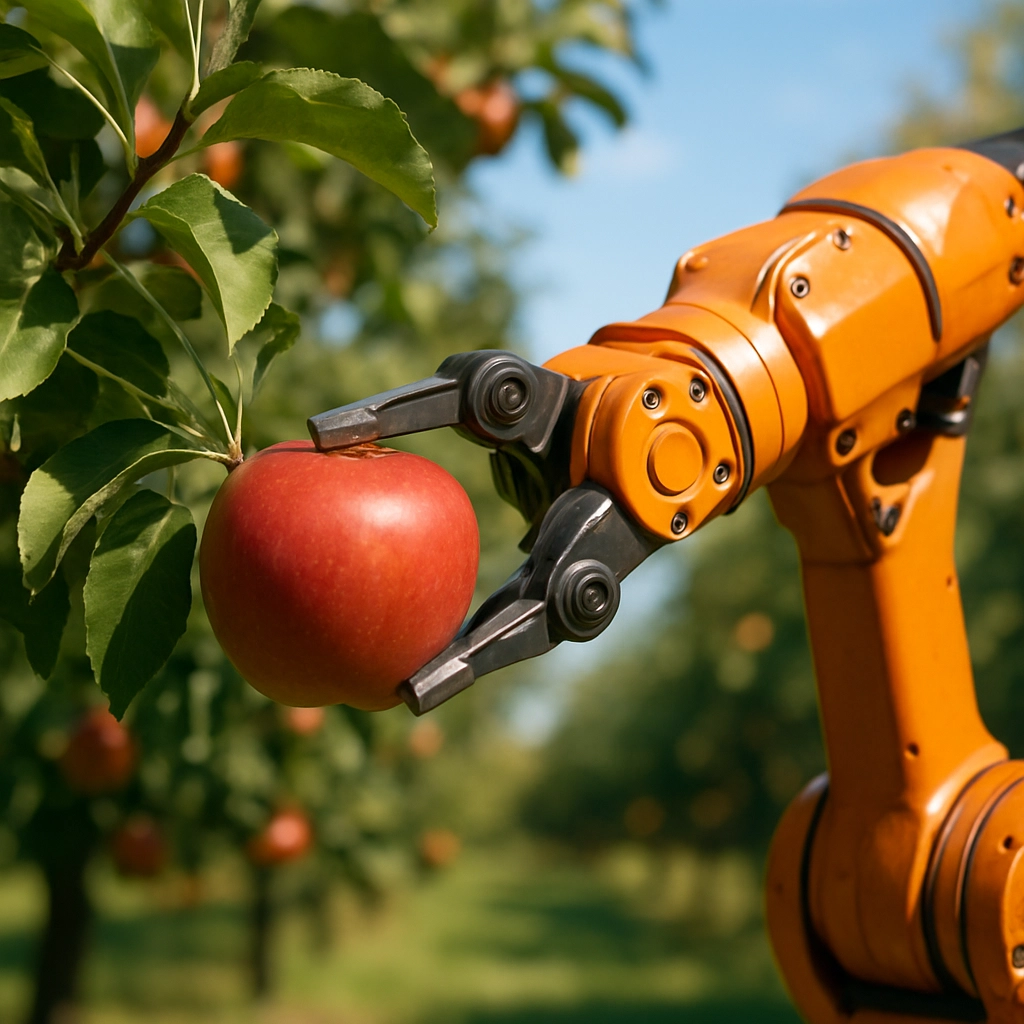
Data and AI are useless without action. The third pillar of the Farm of the Future Toolkit is its integration with robotic process automation and autonomous machinery. This moves beyond digital recommendations to physical execution. The toolkit provides standardized APIs and command libraries to control a variety of farm robots.
This includes guidance systems for autonomous tractors, GPS-guided sprayers, and robotic harvesters. By combining the AI’s decision (e.g., “Weeds detected in Grid 17”) with the robotics layer, the system can dispatch an autonomous weeding robot to that exact location. This level of precision is what makes smart farming economically viable.
Real-World Application: The Weeding Robot
Tiny weeding robots have been deployed in strawberry fields and lettuce farms. They navigate between rows, using computer vision (another model in the toolkit) to distinguish between a crop plant and a weed. The robot then uses a precision mechanical arm or a micro-dose of herbicide to remove the weed. This reduces herbicide use by up to 90% and eliminates the need for manual labor, which is increasingly scarce and expensive. The toolkit provides the software backbone to manage a fleet of these robots, schedule their charging, and analyze their performance.
4. The Market: Open Data and Collaborative Ecosystems
A revolutionary aspect of this project is the emphasis on open data standards. Microsoft is not just releasing a proprietary codebase; they are open-sourcing the schema and data models themselves. This creates a foundation for a new agricultural ecosystem where data can flow freely between different vendors, researchers, and farmers.
This breaks down the walled gardens of private companies. A farmer who buys a sensor from Company A can now easily combine that data with a drone from Company B and an AI model from a university. The toolkit includes a data marketplace concept where anonymized, aggregated data can be shared for the greater good. For example, a cooperative of small coffee farmers could pool their soil data to train a regional model for optimal fertilizer use, benefiting all members.
Practical Application: Carbon Sequestration Credits
The toolkit also facilitates participation in carbon credit markets. By tracking farming practices (e.g., no-till farming, cover cropping) and linking them to soil carbon measurement data, the toolkit provides verifiable proof of carbon sequestration. Small farmers can now access a new revenue stream by selling carbon credits to corporations looking to offset their emissions. This was previously too complex and expensive for individual farmers to manage, but the automation provided by the toolkit makes it practical.
5. The Guardian: Sustainability and Supply Chain Transparency
Modern consumers demand to know where their food comes from and how it was produced. The Farm of the Future Toolkit integrates seamlessly with blockchain and digital ledger technology (through Azure’s blockchain service) to create an immutable record of a food product’s journey from seed to shelf.
Every input—water usage, pesticide application, fertilizer type, harvest date, and transportation temperature—can be recorded automatically by the toolkit and stored on a secure ledger. This builds trust and allows for premium pricing for sustainably produced goods. If a bag of coffee says it is “Rainforest Alliance Certified,” the toolkit provides the digital proof to back it up.
Real-World Application: The Trusted Apple
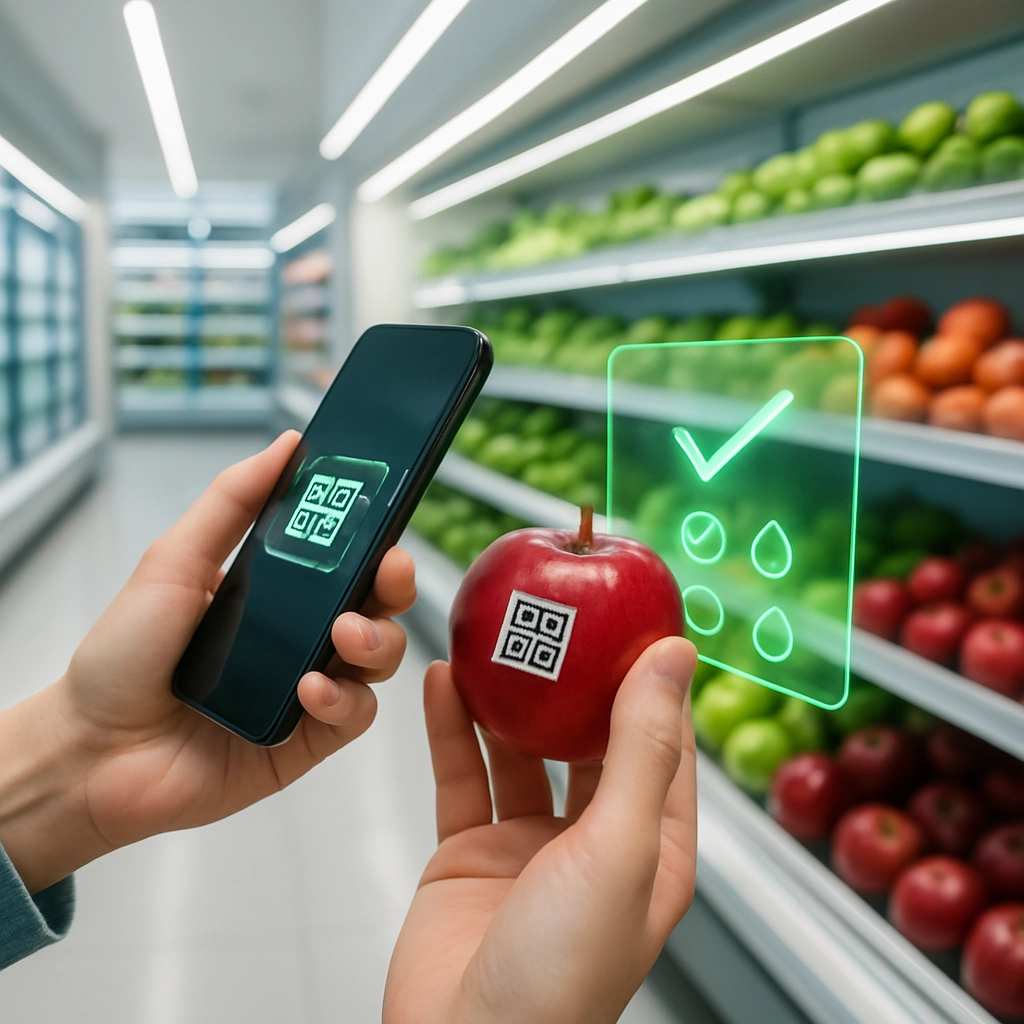
An orchard operator in Washington State uses the toolkit to manage every aspect of production. A consumer in Tokyo can scan a QR code on an apple and see a complete digital twin of that specific fruit’s life. They can see exactly how much water was used, that no banned pesticides were applied, the carbon footprint of its transport, and the timestamp of when it was picked. This is the ultimate expression of digital transformation in the food system, turning a commodity into a story of transparency and sustainability.
6. The Future: Scalability and Global Impact
The final piece of the puzzle is scalability. The Farm of the Future Toolkit is not designed for a single pilot project; it is built to run at planetary scale. By open-sourcing the code, Microsoft is inviting the world to contribute. Developers in India can add support for new local crops. Universities in Brazil can develop AI models for tropical climates. Startups in Europe can build commercial services on top of the foundation.
The implications for business AI and automation are profound. Large agribusinesses can use the toolkit to optimize their massive operations, reducing costs and environmental impact. But the true disruption is for the 2 billion smallholder farmers who feed most of the world’s population. With access to this technology via a mobile phone (the data runs in the cloud, requiring only internet access), these farmers can leapfrog generations of inefficient practices.
A Vision for 2030
Imagine a future where a farming cooperative in Kenya uses the toolkit to predict droughts three months in advance, automatically adjusting their planting schedule and negotiating fair futures prices for their crops using data-driven insights. Imagine a grape farmer in France using precision AI to reduce water use by 40% during a historic heatwave. Imagine a rice farmer in Vietnam using drones, guided by the toolkit, to detect pest outbreaks early and apply only the necessary biopesticides, protecting the ecosystem of the Mekong Delta. This is not a distant dream; it is the roadmap that Microsoft has laid out, and it is now open for anyone to follow.
In conclusion, the open-sourcing of the Farm of the Future Toolkit is a landmark moment for the intersection of technology and agriculture. It provides the What (a comprehensive digital platform), the Why (to solve global food security and sustainability challenges), and the How (through open-source collaboration, AI, and automation). It empowers a new generation of farmers, programmers, and entrepreneurs to work together to build a food system that is more productive, more resilient, and more equitable for everyone.