
Nemotron-3 Nano-Omni: Revolutionizing Multimodal AI Agents for the Edge
What is the next frontier in artificial intelligence? How can we bring powerful AI models from the cloud to everyday devices? Why does this shift matter for industries and individuals? The answer lies in the latest advancement from NVIDIA: the Nemotron-3 Nano-Omni. This article explores the significance of this new model, its capabilities, and the transformative potential it unlocks for multimodal AI agents running at the edge.
What is Nemotron-3 Nano-Omni?
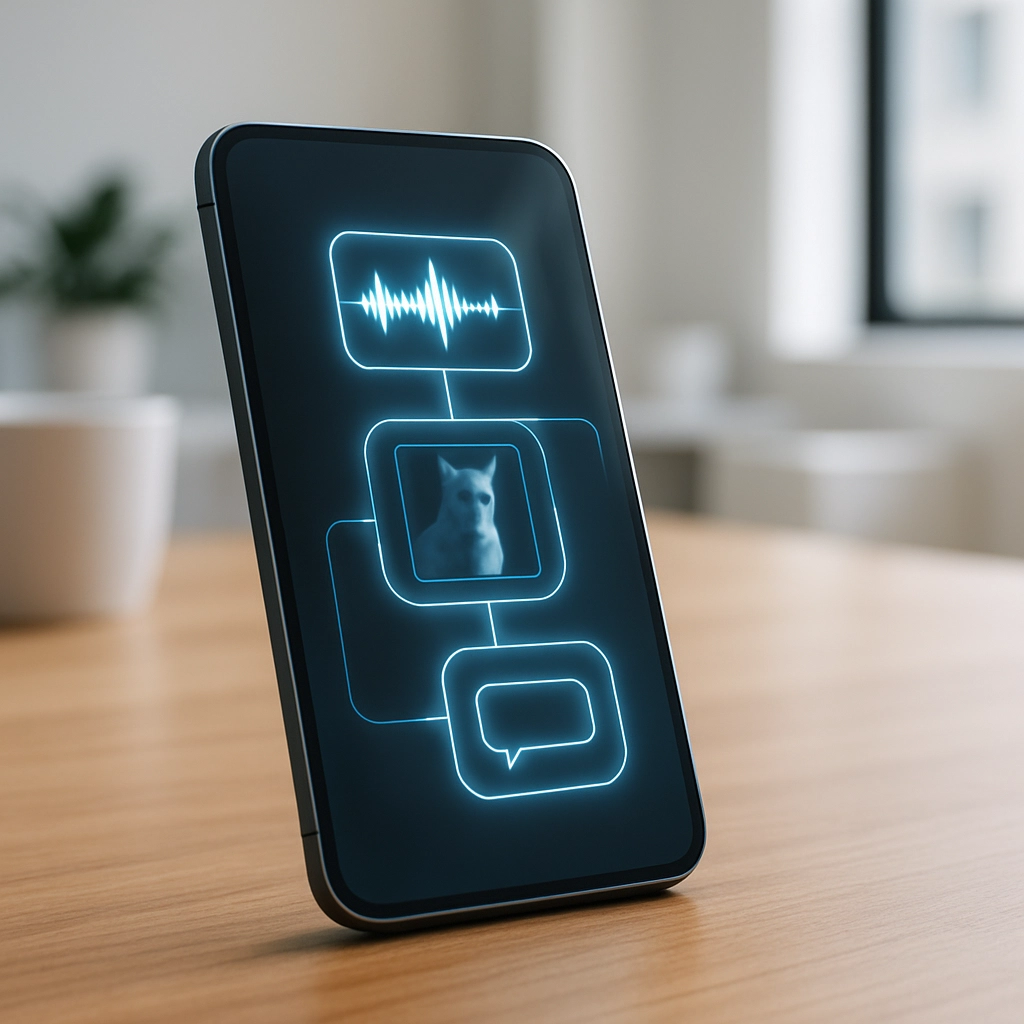
Nemotron-3 Nano-Omni is a new class of multimodal large language model (LLM) designed to operate efficiently on resource-constrained devices, such as smartphones, IoT sensors, and autonomous systems. Unlike traditional LLMs that require massive cloud servers, this model is optimized for edge computing. It can process and understand multiple types of data—including text, images, audio, and video—simultaneously. This “omni” capability allows it to perceive the world more holistically, mimicking human senses. NVIDIA’s breakthrough lies in its ability to compress a billion-parameter model into a form that runs locally, without sacrificing accuracy or speed.
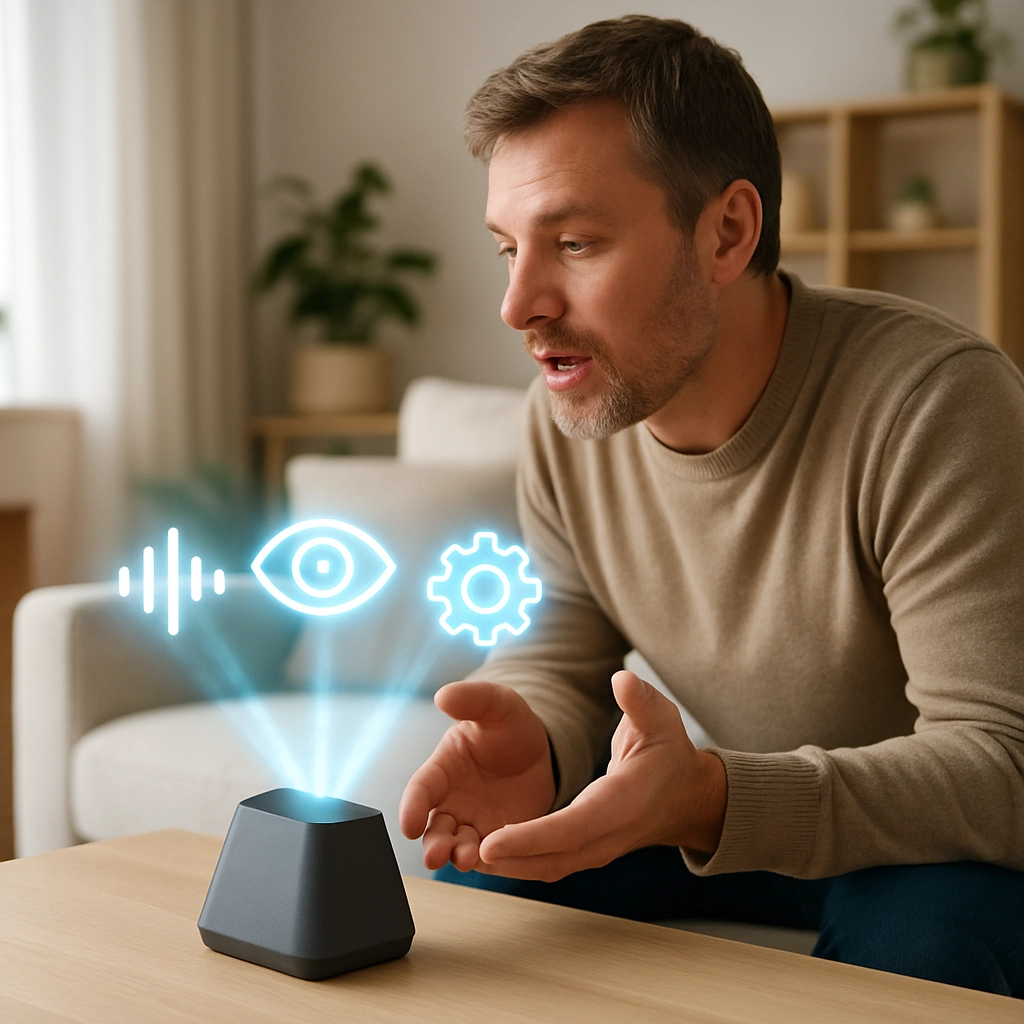
The model uses advanced techniques like quantization and pruning to shrink its size while retaining core knowledge. It also leverages a novel architecture called Nano, which is specifically tuned for low-power hardware. This means real-time speech recognition, object detection, and natural language understanding can happen on-device, eliminating the need for constant internet connectivity. For example, a smart assistant powered by Nemotron-3 Nano-Omni can analyze a user’s tone of voice, facial expression from a camera, and text input to provide more empathetic and accurate responses.
Why This Matters: The Shift to On-Device AI
Privacy and Security
One of the most compelling reasons for the Nemotron-3 Nano-Omni is privacy. When AI runs on-device, sensitive data like voice recordings, personal photos, and financial details never leave the user's device. This is critical for healthcare, finance, and enterprise applications where data must remain confidential. For instance, a medical diagnostic tool using this model can analyze patient scans and provide instant insights without transmitting images to a remote server, ensuring compliance with regulations like HIPAA.
Reduced Latency
Edge AI drastically reduces latency. Cloud-based systems often experience delays due to network transmission. With Nemotron-3 Nano-Omni, responses are near-instantaneous. This is vital for autonomous vehicles, where a split-second delay in recognizing a pedestrian could be fatal. Similarly, in industrial robotics, real-time analysis of sensor data can prevent equipment failure. A manufacturing robot can instantly detect a defective product on a conveyor belt and adjust its actions, all without waiting for cloud processing.
Energy Efficiency
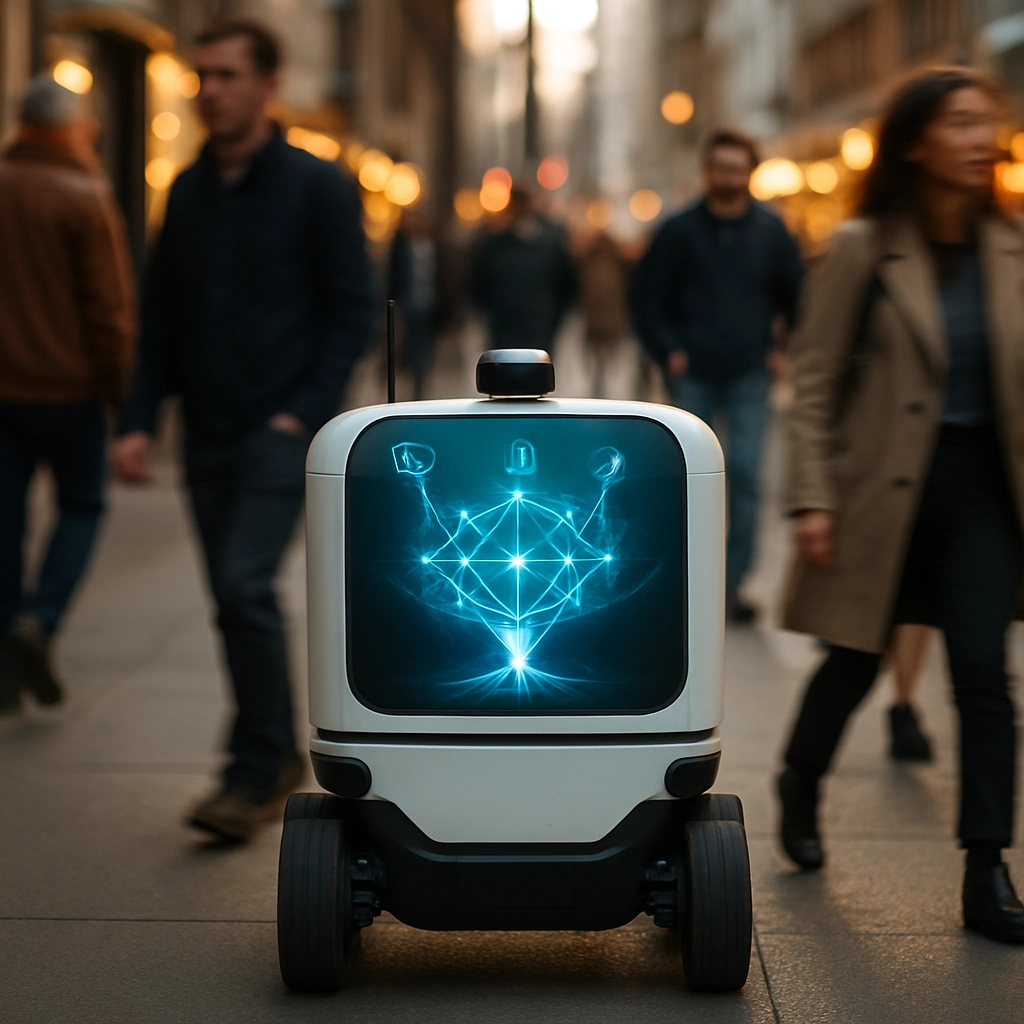
Running large models on-device traditionally drains battery life. However, Nemotron-3 Nano-Omni is designed for low power consumption. It uses specialized hardware acceleration (NVIDIA’s TensorRT) and efficient model architectures. This enables continuous operation on battery-powered devices, like drones or wearable health monitors. A drone surveying a forest fire can process thermal and visual data for hours, sending only critical alerts, rather than streaming every frame to the cloud.
How Does It Power Multimodal AI Agents?
Nemotron-3 Nano-Omni is the engine behind a new generation of AI agents. These agents are not just chatbots; they are autonomous systems that can sense, understand, and act in the physical world. For example, a retail inventory agent could use a combination of a camera (to count products on shelves) and a microphone (to listen for stock inquiries) and then update a database via text. This fusion of modalities creates a seamless user experience.
The model’s multimodal fusion allows it to maintain context across different inputs. When an agent reads a user's text message, receives a photo of a broken appliance, and hears their voice describing the issue, it can synthesize all this information to generate a step-by-step repair guide. This capability extends to advanced scenarios like educational tutoring: an AI tutor can see a student’s confused expression (via camera), hear their shaky voice (via microphone), and read their partially solved math problem (via text) to offer personalized assistance.
Practical application: In a smart home, a Nemotron-3 Nano-Omni agent could monitor a room. It could hear a smoke alarm (audio), see smoke rising (video from a camera), and check a smart home sensor for high temperature (IoT data). It would then decide to turn off the stove (via a smart plug) and send a text alert to the homeowner. All of this happens locally, ensuring privacy and speed.
Real-World Examples and Practical Applications
Healthcare: Remote Patient Monitoring
Imagine a wearable device powered by Nemotron-3 Nano-Omni. It could continuously monitor a patient’s heart rate (sensor data), listen to their breathing pattern (audio), and analyze their skin tone for signs of jaundice (camera). If it detects anomalies, it can generate a detailed report and alert a doctor. This reduces hospital visits and enables early intervention.
Education: Personalized Tutoring
A tablet app using this model can act as a tutor for children. It can read a student’s typed answer (text), analyze their facial expressions for boredom (image), and adjust its teaching style. If a child struggles with a math problem, the agent can switch from text explanations to a visual step-by-step animation, or even change its vocal tone to be more encouraging.
Autonomous Systems: Warehouse Robotics
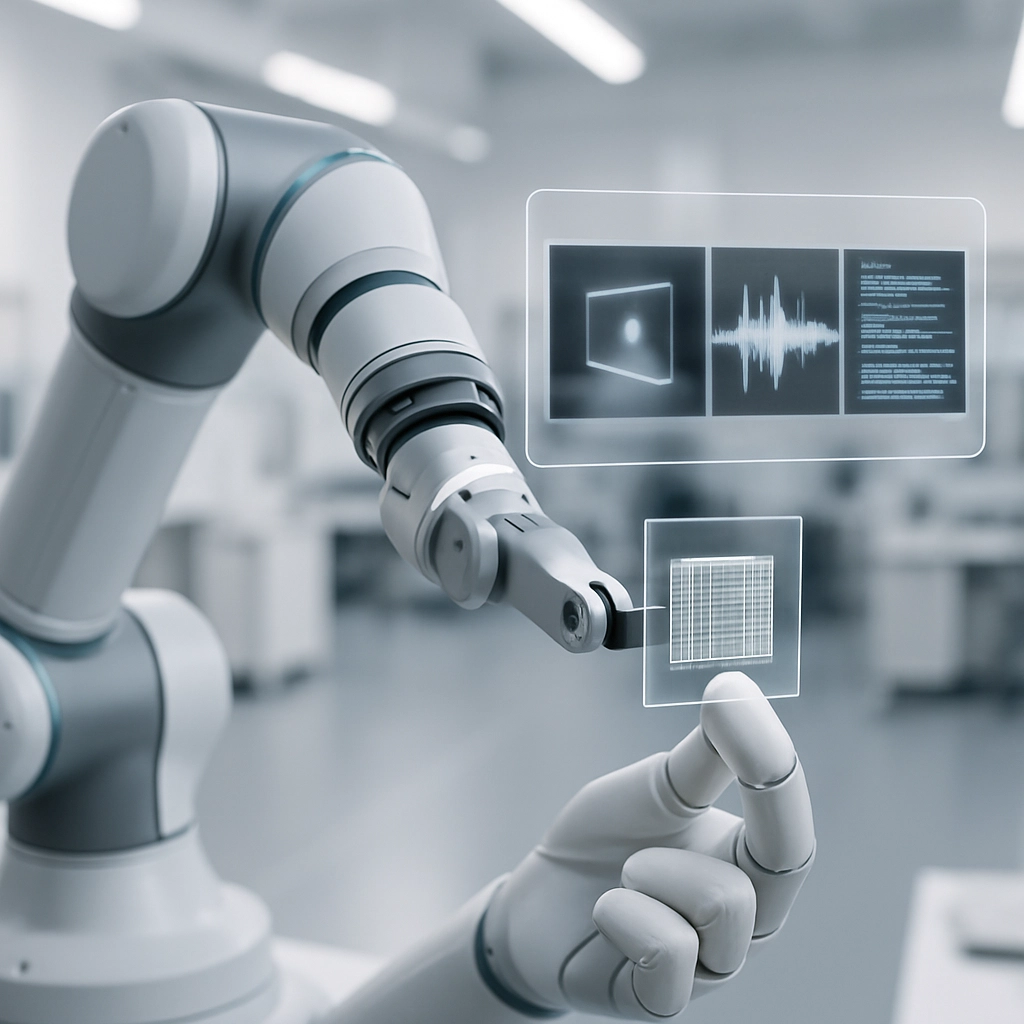
In logistics, a robot equipped with Nemotron-3 Nano-Omni can navigate a warehouse using visual SLAM (image data), detect package labels (optical character recognition from camera), listen to voice commands from a worker (audio), and update inventory databases (text output). This creates a fully integrated, efficient system that can handle exceptions autonomously.
The Future: Scaling the Omni-Verse
NVIDIA’s Nemotron-3 Nano-Omni is not a final destination but a stepping stone. The company envisions a future where billions of autonomous agents operate on the edge, creating a vast ‘Omni-Verse’ of interconnected, intelligent devices. These agents will collaborate seamlessly, sharing only high-level insights while keeping raw data private. For example, a fleet of drones monitoring a city’s traffic could share aggregated traffic patterns, but not individual car license plates, ensuring public safety and privacy.
This technology will also democratize AI. Small businesses and startups will be able to deploy powerful AI without massive cloud costs or data transmission worries. Localization will be another key trend—agents will be fine-tuned on local languages and customs, offering culturally relevant experiences. The future Nemotron iterations will likely become smaller, faster, and more energy-efficient, paving the way for truly ubiquitous AI.
As we stand on the brink of this new era, the question is no longer “if” AI will be on every device, but “how” it will reshape our interaction with technology. Nemotron-3 Nano-Omni provides the foundational blueprint for a world where multimodal awareness and edge intelligence become as common as the devices we carry in our pockets. From improving healthcare outcomes to creating smarter cities, the potential is staggering. The revolution is at the edge, and it speaks, sees, hears, and understands.