
The Complete Standard for Building and Automating Real Estate Business Management Systems
Real estate is one of the industries where digital requirements vary significantly from one company to another. A system designed for a three-person brokerage is very different from one required by a large agency, a property developer, a listing portal, or a SaaS platform serving hundreds of real estate companies.
The right question is not what features a real estate system should contain, but what level of digitization and automation is appropriate for the organization’s size and business model.
Level 1: Digital Presence and Property Listings
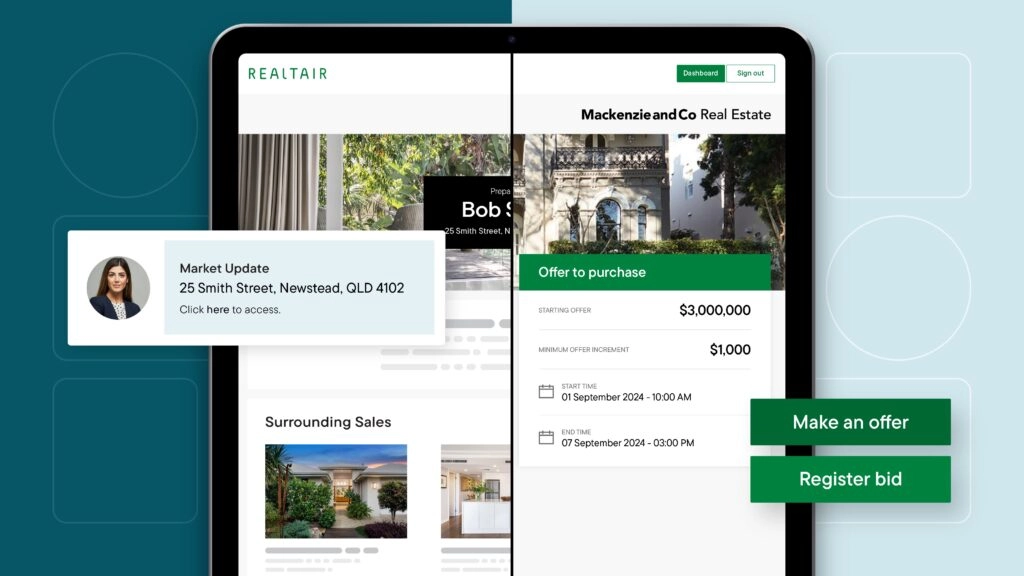
The objective at this stage is to showcase properties and attract potential clients.
- Mobile-friendly website.
- Project, property, and unit pages.
- Photos, videos, and floor plans.
- Price, size, location, and property type.
- Search and filtering.
- Developer pages.
- Inquiry forms.
- Call and WhatsApp actions.
- Maps.
- Multi-language support.
- SEO-friendly indexable pages.
A typical journey may be: Google Search → Property Page → WhatsApp → Sales Agent.
Level 2: CRM and Property Management
As the number of leads and properties grows, relying only on spreadsheets and messaging apps becomes operationally risky.

Centralized lead, agent, and property management improves operational control.
The system should capture lead data such as name, phone, email, country, language, source, budget, preferred location, purchase objective, pipeline stage, and assigned salesperson.
Sales Pipeline Management
A clear pipeline may follow: New Lead → Contacted → Qualified → Property Suggested → Viewing Scheduled → Negotiation → Offer → Reservation → Contract → Closed Won / Closed Lost.
Property Inventory
- Property.
- Project.
- Building.
- Unit.
- Developer.
- Owner.
- Agent.
- Availability.
- Price and currency.
- Commission.
- Property status.
Level 3: Real Estate Workflow Automation
Once data is structured, repetitive work can be automated. A new lead can trigger language detection, qualification, agent assignment, WhatsApp outreach, follow-up creation, and staff notification.
Lead Routing
Leads can be distributed by language, city, property type, country, value, source, agent availability, round-robin rules, or salesperson performance.
Automated Follow-up
Follow-up workflows can send reminders, suggest similar properties, create tasks, and reactivate inactive leads.
Level 4: Integrated Real Estate Operations

An integrated platform can connect reservations, contracts, commissions, payments, portals, and analytics.
Reservations
The system should manage reservation deposits, expiry dates, buyer details, and unit availability while preventing double-selling.
Contracts
Typical documents include reservation forms, sales agreements, rental agreements, brokerage agreements, and developer contracts, with templates, generation, e-signature, version history, and approvals.
Payments and Installment Plans
- Installments.
- Due dates.
- Payments.
- Outstanding balances.
- Receipts.
- Payment reminders.
Commission Management

Deals may include agent, team leader, brokerage, external broker, and referral commissions.
Property Portal Integrations
A central platform should publish and synchronize listings through APIs, XML feeds, and external portals.
Level 5: Analytics and Business Intelligence
- Lead volume.
- Lead sources.
- Conversion rate.
- Cost per lead.
- Cost per sale.
- Agent performance.
- Sales volume.
- Average deal size.
- Response time.
- Lost reasons.
- Property demand.
- Geographic demand.
Attribution should also be tracked so management understands the full customer journey rather than only the final contact channel.
Level 6: Artificial Intelligence
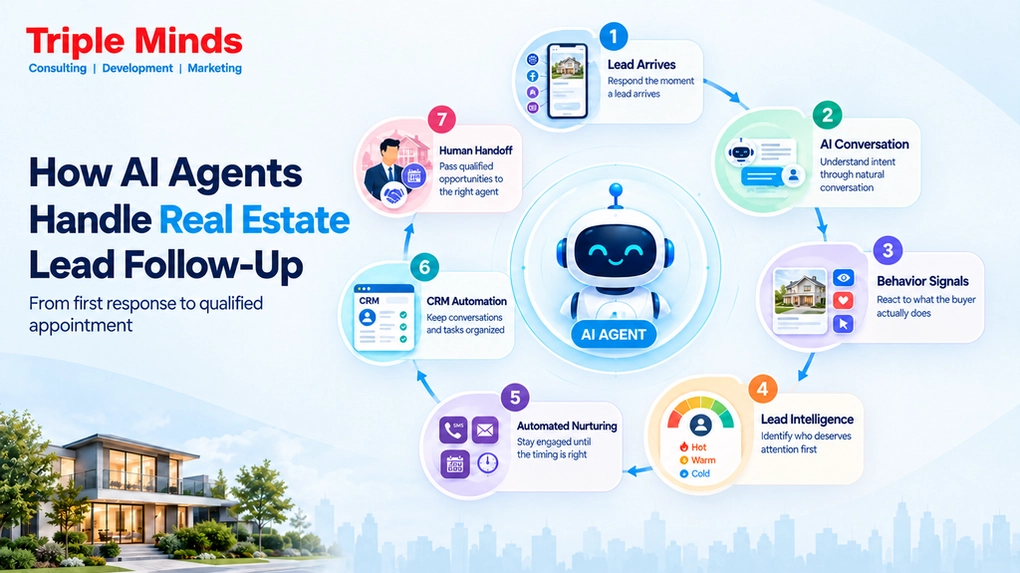
AI Lead Qualification
AI can extract budget, location, property type, bedrooms, investment objective, purchase timeline, and language from conversations.
AI Property Matching
The system can compare a customer profile with property inventory and rank the most suitable options.
AI Content Generation
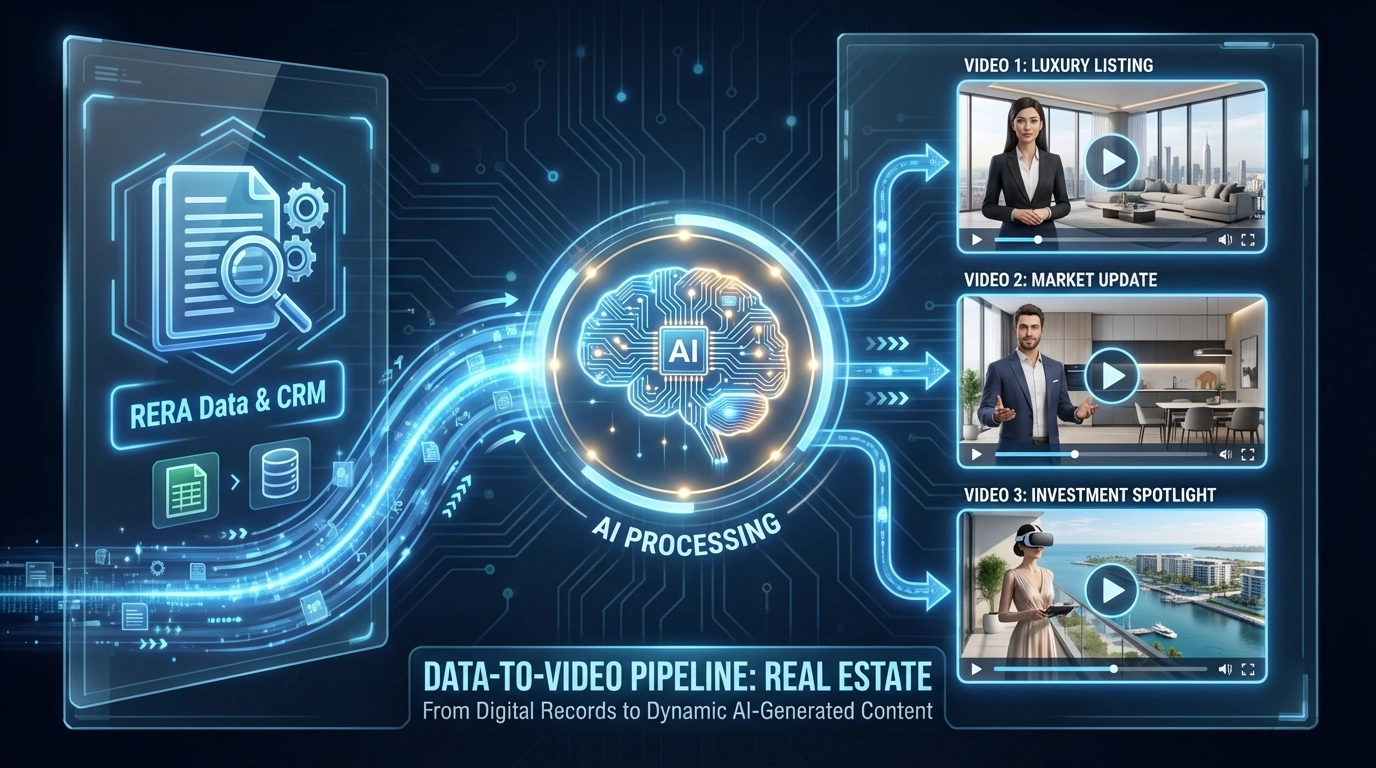
AI can assist with property descriptions, project pages, SEO content, social posts, email campaigns, and WhatsApp messages, provided the content is grounded in verified data.
Lead Scoring
Each lead can receive a probability score based on budget, engagement, visit activity, responsiveness, and purchase timing.
Level 7: Agentic Real Estate Automation
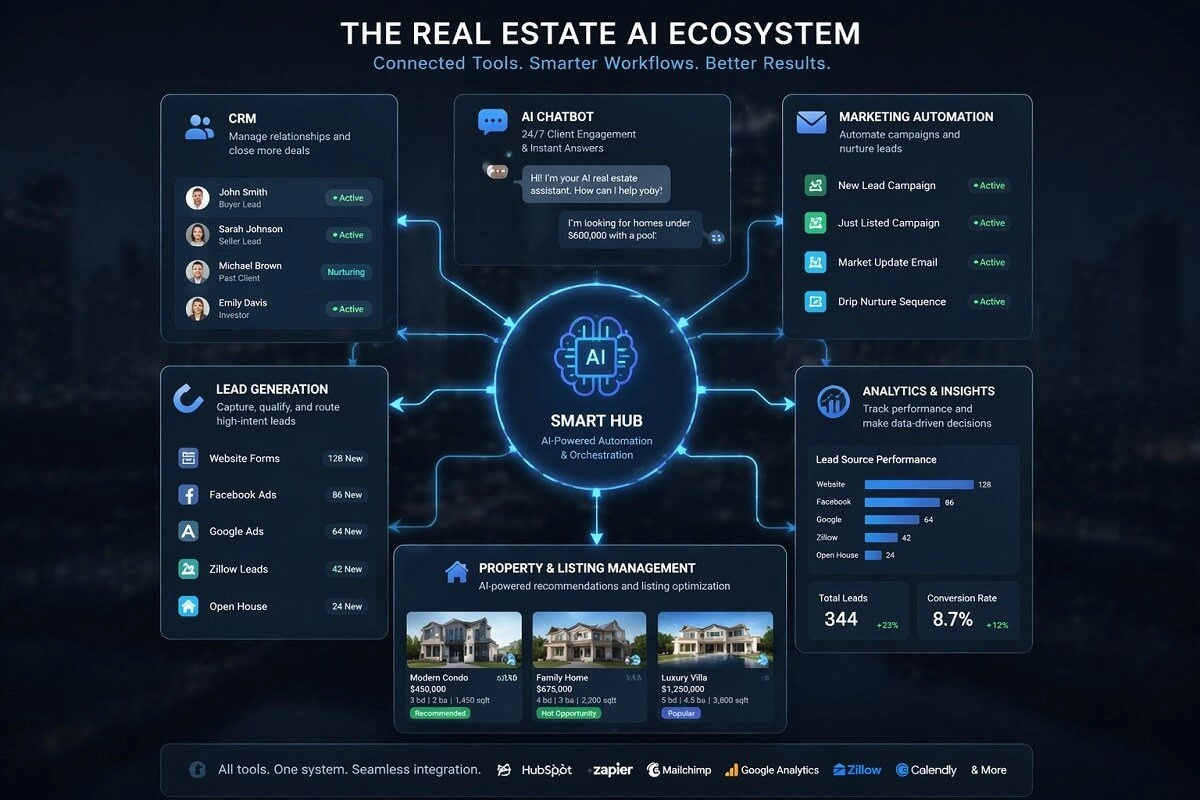
An AI agent can read a lead, identify language, start a conversation, collect requirements, extract budget, search inventory, suggest properties, answer questions, schedule a viewing, update the CRM, and notify a salesperson.
Multi-Company SaaS Platforms
A platform serving multiple agencies should add a tenant layer with users, agents, properties, leads, customers, settings, branding, subscriptions, billing, usage limits, white labeling, and custom domains.
Technical Foundation
- Role-based access control.
- Audit trail.
- Notifications.
- Workflow engine.
- REST API or GraphQL.
- Webhooks.
- Document management.
- HTTPS and MFA where appropriate.
- Encryption.
- Backup and disaster recovery.
- Logging and monitoring.
- Rate limiting.
Conclusion
A real estate system can start with a property page and a WhatsApp button, then grow into a platform that manages properties, leads, sales, agents, viewings, reservations, contracts, payments, commissions, marketing, analytics, integrations, and AI agents.
Digitize first. Structure second. Automate third. Add intelligence last.